

Chonky Cat Beats the Odds After Cancer Diagnosis Thanks to His Devoted Mom
Share:
Some stories begin with laughter. This one did too.
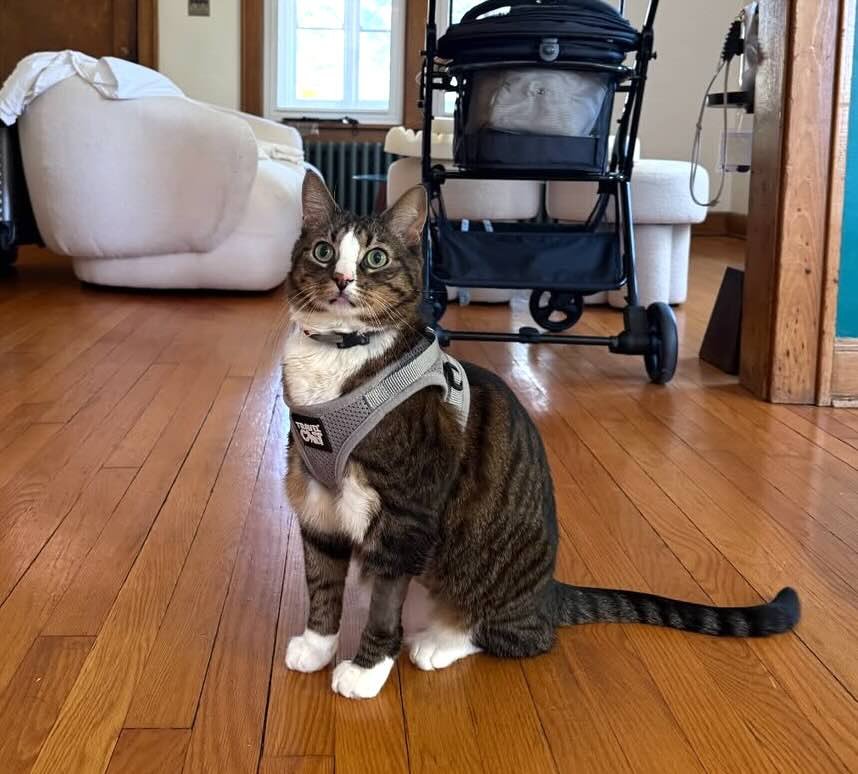
Prince was ten years old, perpetually dramatic, and — there's no gentle way to say it — magnificently chonky. His size was a running joke, the kind that earned wide eyes from strangers and proud laughter from his mom, Danbi.
He loved food with a passion that bordered on spiritual, and if he threw up sometimes, well, that was just Prince being Prince. He ate too fast, too enthusiastically. Classic.
But laughter has a way of going quiet when something is wrong.
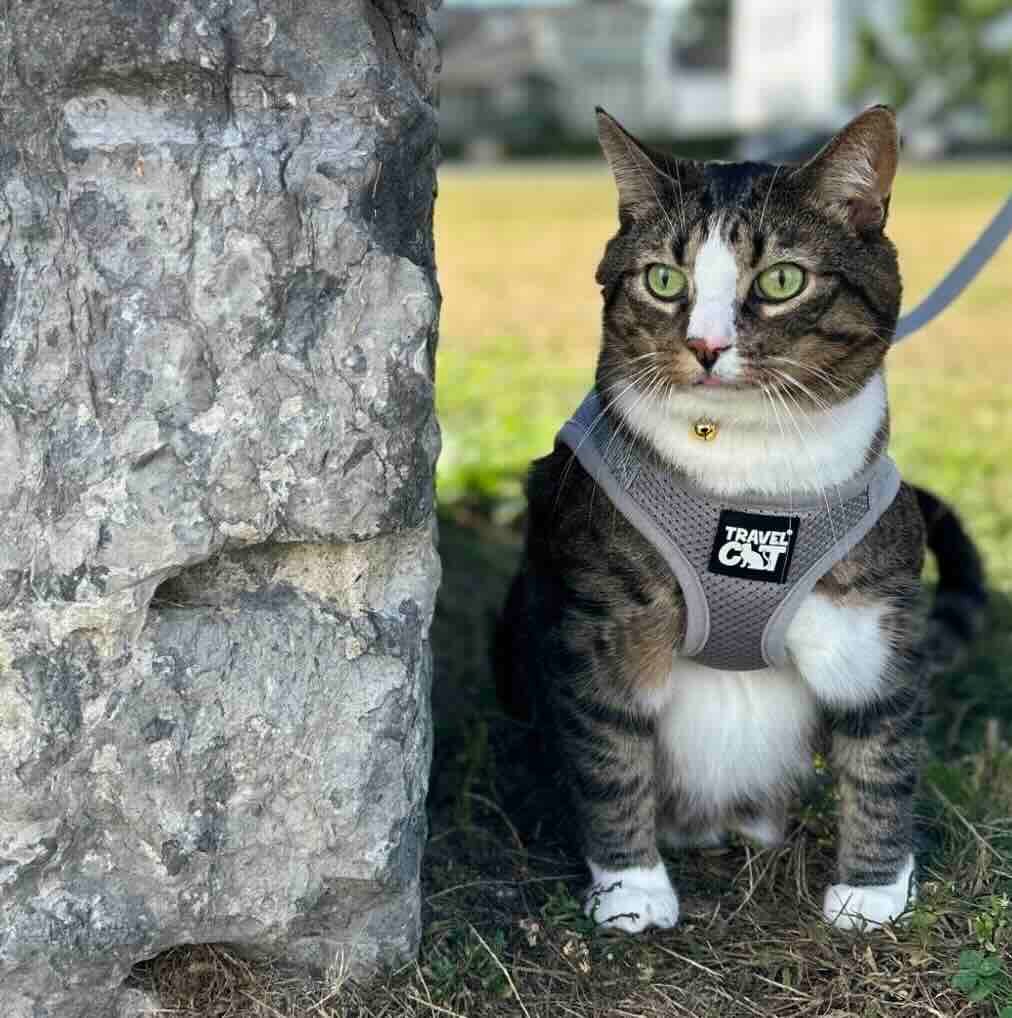
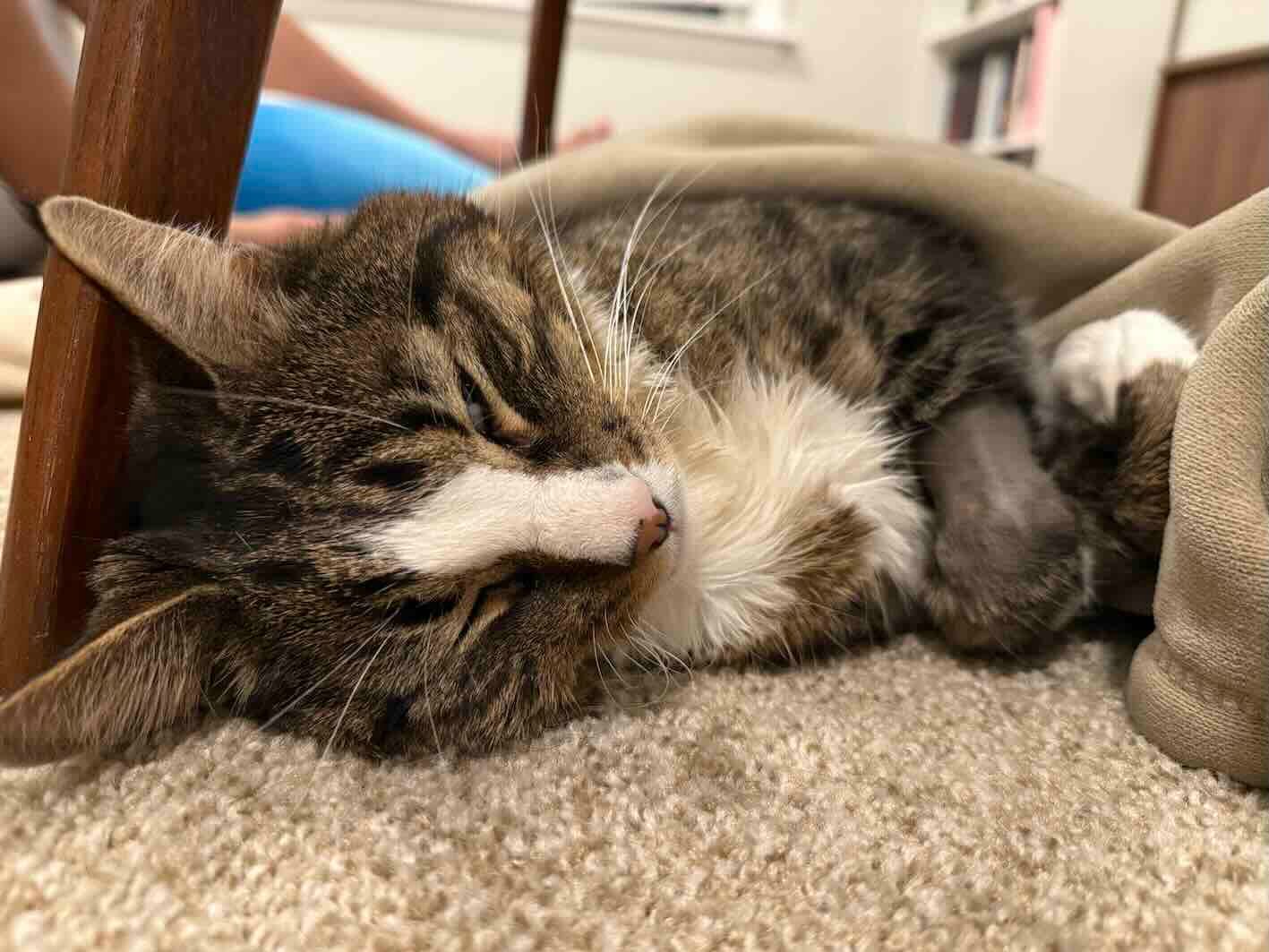
Prince's throwing up became constant and he stopped moving the way cats move when they're happy — that boneless, luxurious sprawl of a creature completely at ease with the world. Instead, he lay still in a different way.
A retreating way. Danbi noticed, and somewhere beneath the worry, the jokes stopped feeling quite so funny.
It was their regular vet who spotted it first: a large mass, wrapped around his entire belly. An X-ray confirmed what no one wanted to hear. Just like that, the word "mass" entered their lives, and everything shifted.
They were referred to an emergency vet for an ultrasound, but the specialist wasn't available. So they went home with pain medication, anti-nausea pills, and instructions to wait.
That weekend stretched out like something much longer. Prince refused to eat — and for a cat who had always treated mealtimes like sacred events, that silence said everything.
The painkillers were so strong they made him drool. Danbi and her family spoon-fed him, coaxed every bite, and prayed. A lot.
When Monday came, they were at the vet by five in the morning. They secured an ultrasound slot. They waited. By three in the afternoon, they had their answer — and it was the one they'd feared most.
The mass was enormous, already pressing toward his chest, and it was cancerous. The doctors were kind, but honest. Surgery and chemotherapy were not realistic options. And then came the words that break every pet owner: it might be time to consider euthanasia.
Danbi wasn't ready. She asked for a CT scan — she needed to know everything before she accepted anything.
Prince spent the night in the hospital. At home, the absence was immediate. Kiri, his companion of seven years, wandered the spots they used to share, confused and searching.
Danbi went back the next morning, hours before the results were due, because she simply couldn't stay away.
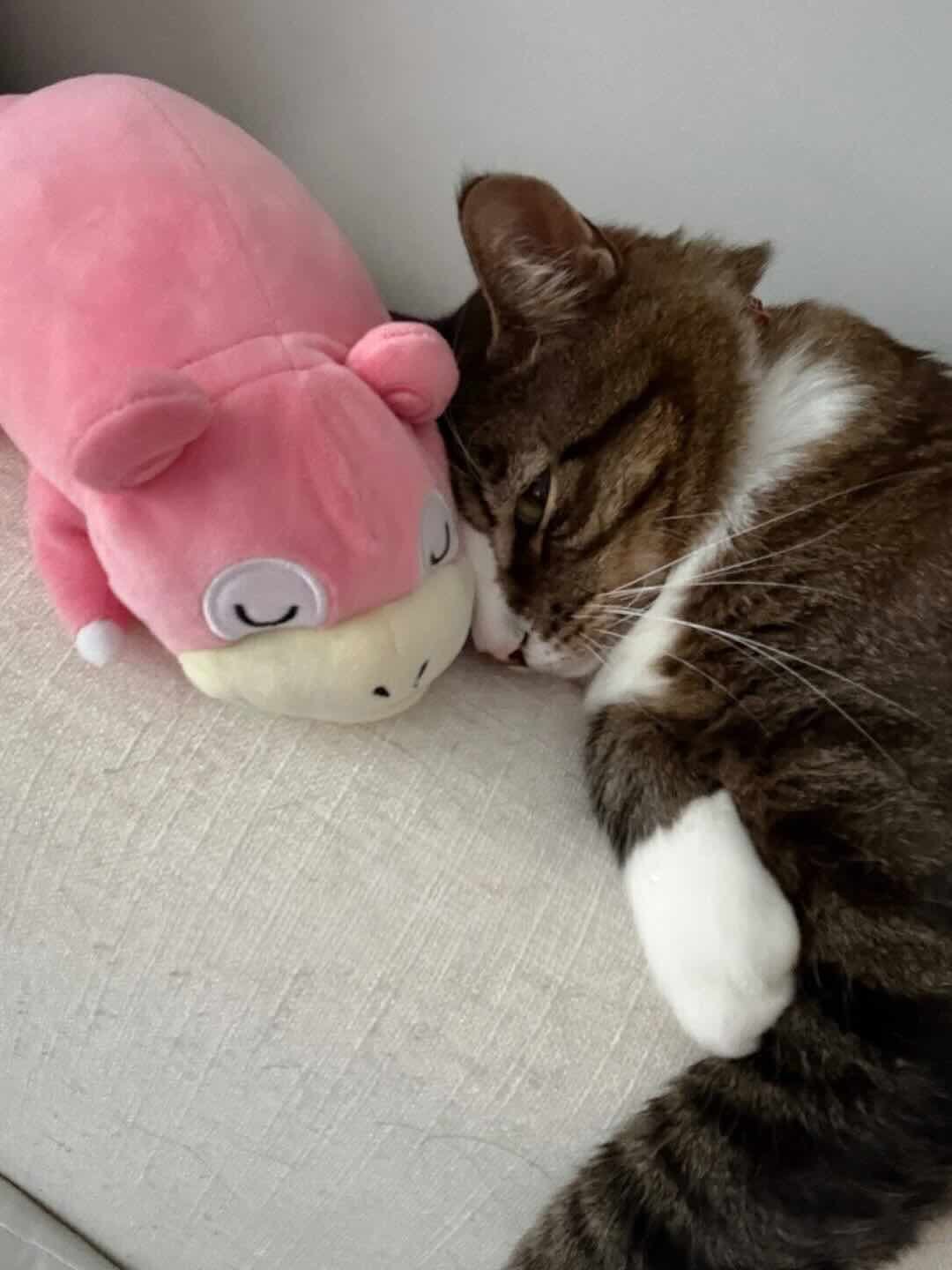
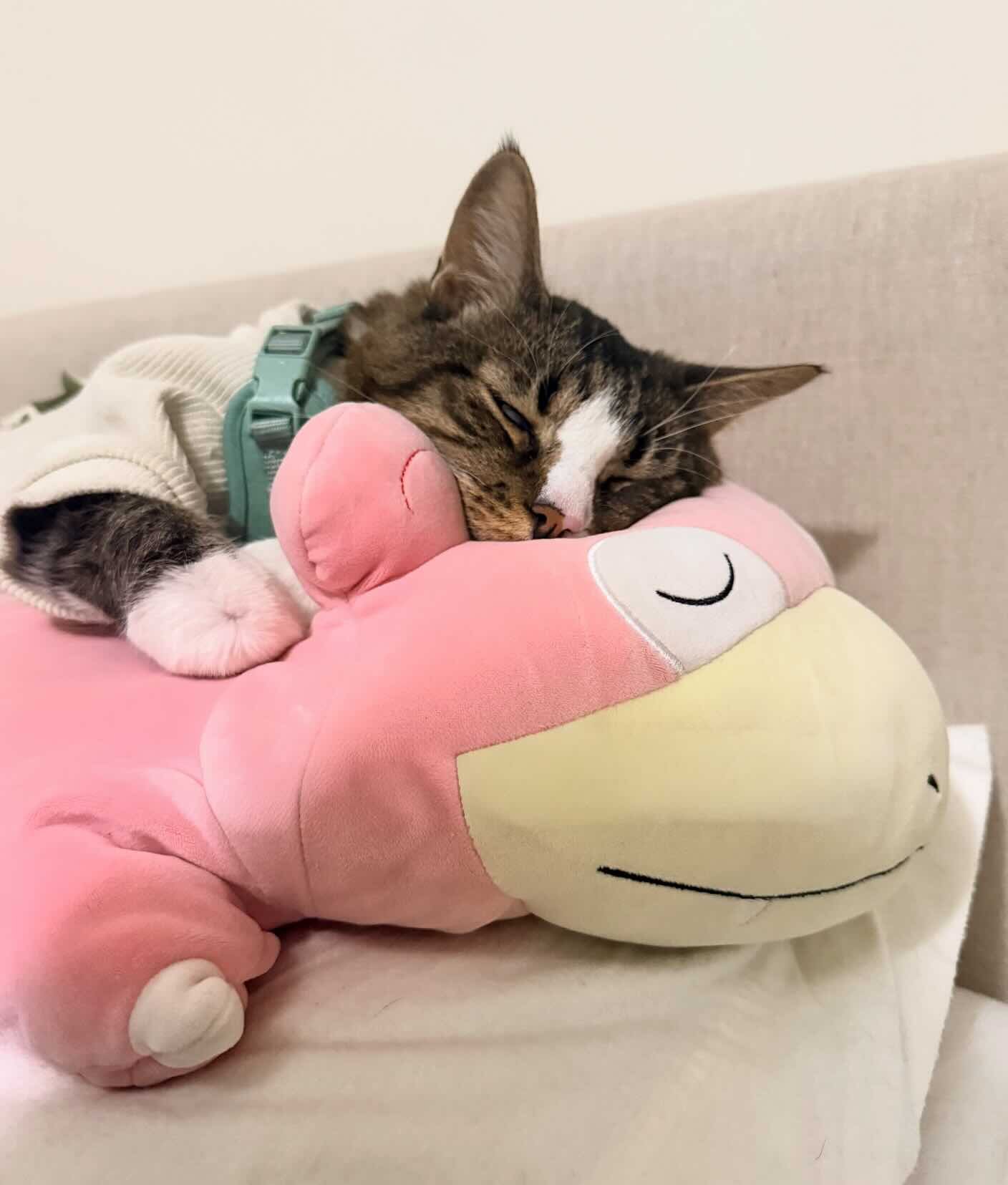
They let her see him briefly — small in his crate, one arm shaved, a litter box tucked beside him. The moment he saw her, he meowed. Happy, immediate recognition.
Then the doctor called them in and delivered the CT results: the mass was entangled in the blood vessels. No surgery. No chemotherapy. Palliative care, and whatever time remained.
The grief arrived all at once. Ten years of memories — the oversized, food-obsessed, wonderfully dramatic cat who had become the center of her world — and now a future she couldn't imagine facing without him.
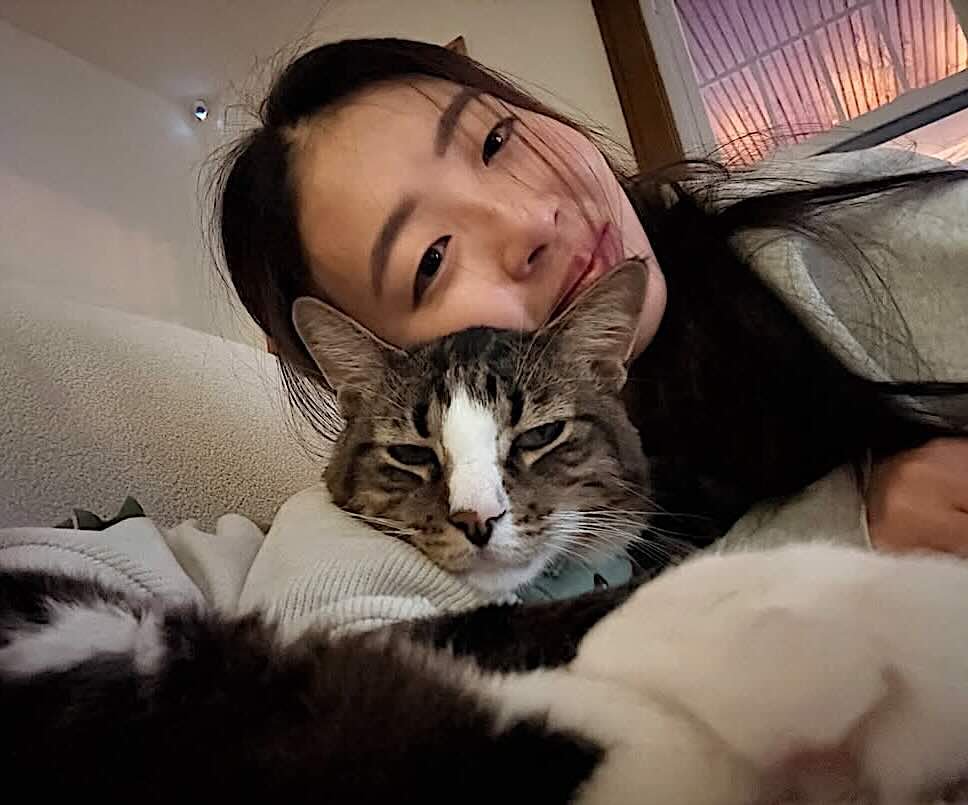
She called her mom. And her mom, instead of offering soft comfort, offered something sharper and far more useful: a wake-up call.
"Cancer isn't the end." She'd seen people outlive their prognoses by years. If Danbi gave up, Prince would feel it. If she grieved in front of him, he would too. So she had a choice.
That conversation changed everything.
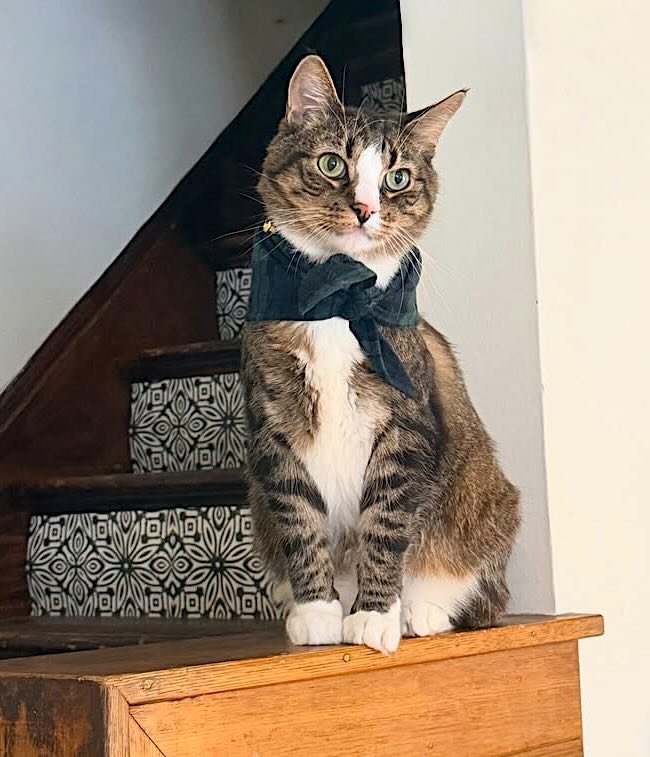
Danbi threw herself into research with the kind of focused, sleepless determination that only love can produce. She watched testimonials, studied ingredient lists, learned what cats actually need — and shouldn't have.
And in doing so, she noticed something she'd overlooked for years: every time Prince ate chicken, he got sick. Every time he ate fish, he became lethargic. She had always chalked it up to his personality. But what if he'd been reacting to his food all along?
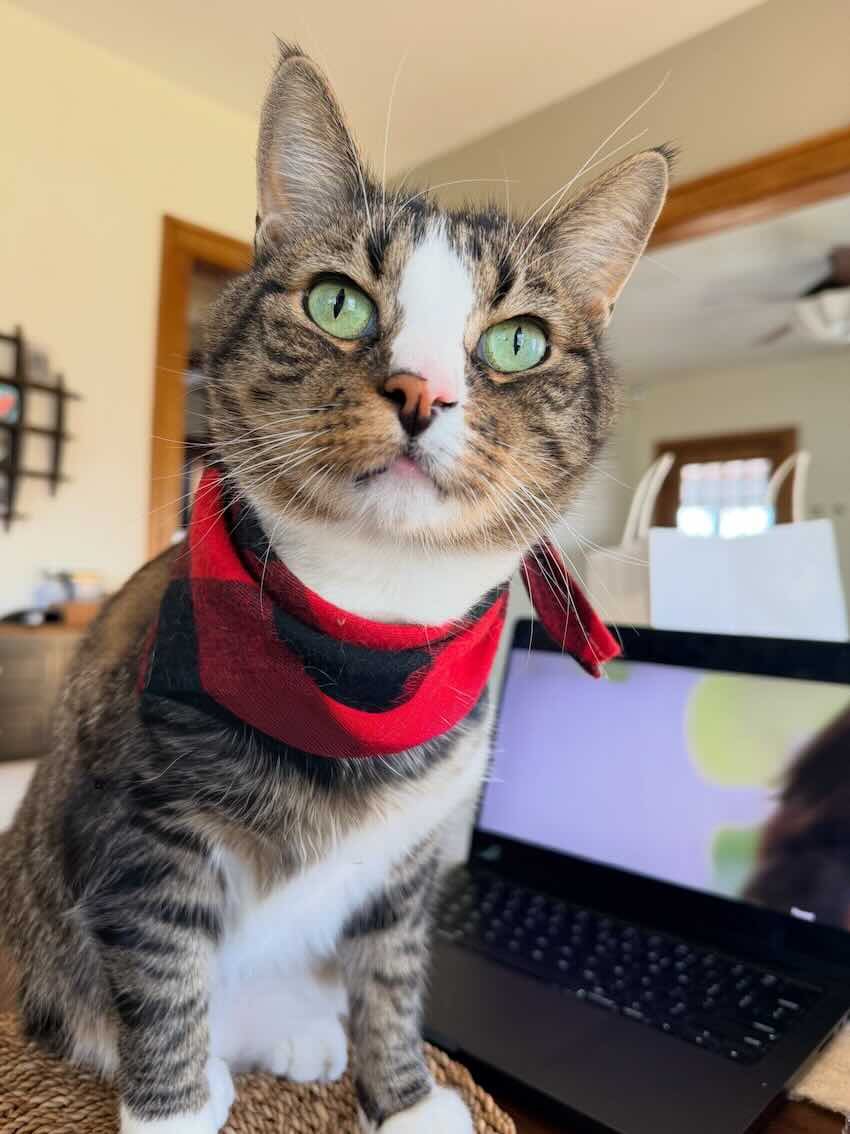
She started from scratch. She tested food after food, watching his reactions with new eyes. She found supplements with documented results for cancer support.
She eliminated everything that seemed to be hurting him — which was harder than it sounds, since nearly every commercial cat product contains chicken or fish. It was slow, painstaking, trial-and-error work. But it was working.
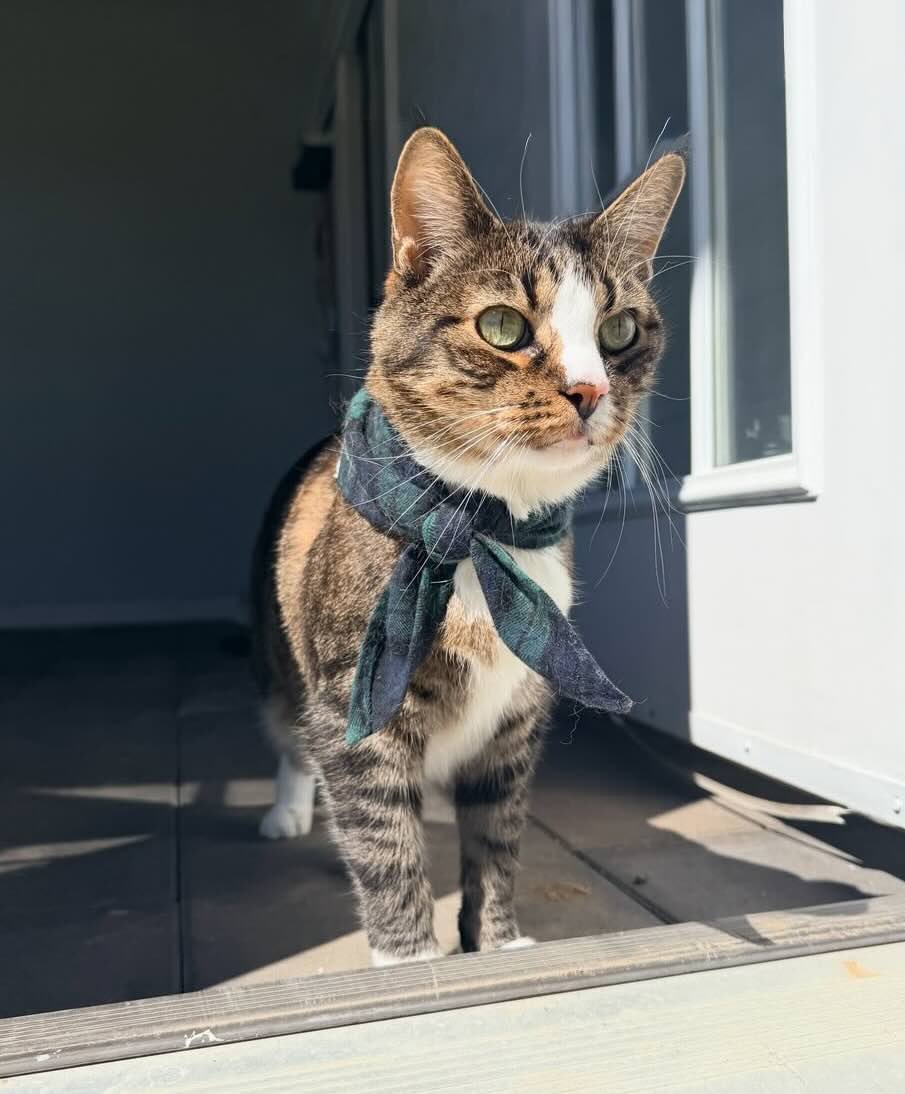
The mass, once visibly protruding from his belly, shrank. Six months after doctors had estimated one or two months — with six as the most optimistic ceiling — Danbi brought Prince back to the vet.
The confirmation was real and undeniable: the mass was smaller. "Keep doing what you're doing."
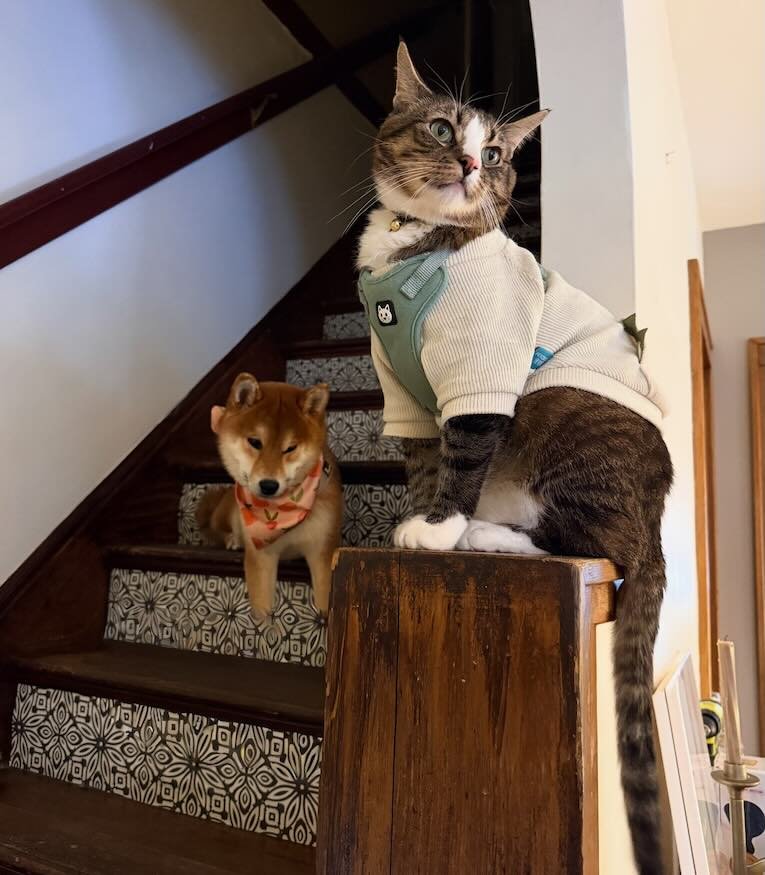
Today, Prince has his zoomies back. The nighttime sprints that had vanished during his illness have returned. He's stopped twitching from pain. He hasn't properly vomited in weeks.
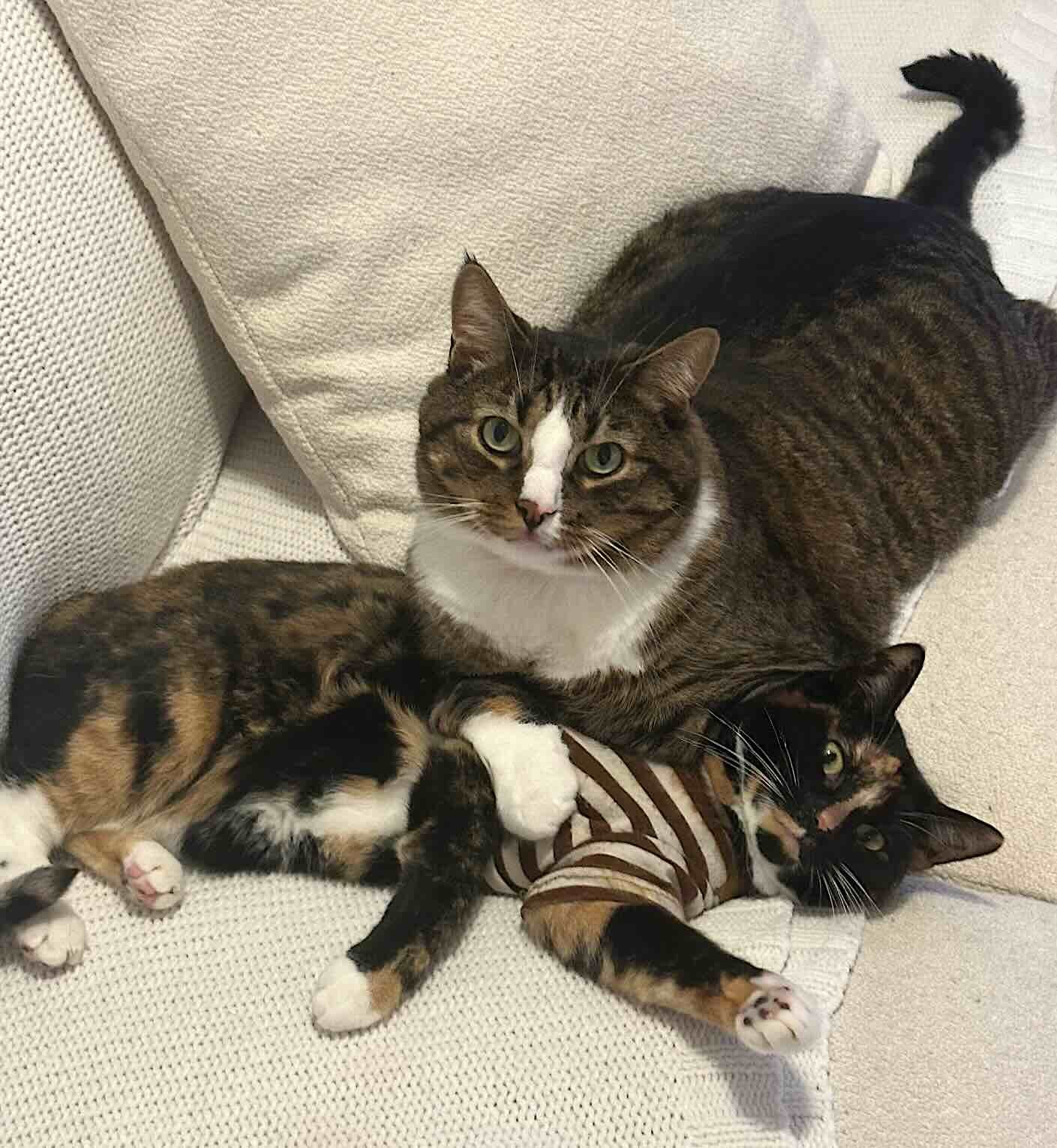
He and Kiri have reclaimed their favourite spots, and Hachi the dog is happily back to being the third wheel.
His one ongoing grievance — communicated with great clarity and feeling — is the diet. A strict, carefully managed meal plan that he endures with the suffering of a cat who knows exactly what he's missing.
But even Prince, eventually, came around. When the food is this good, you learn to appreciate it.
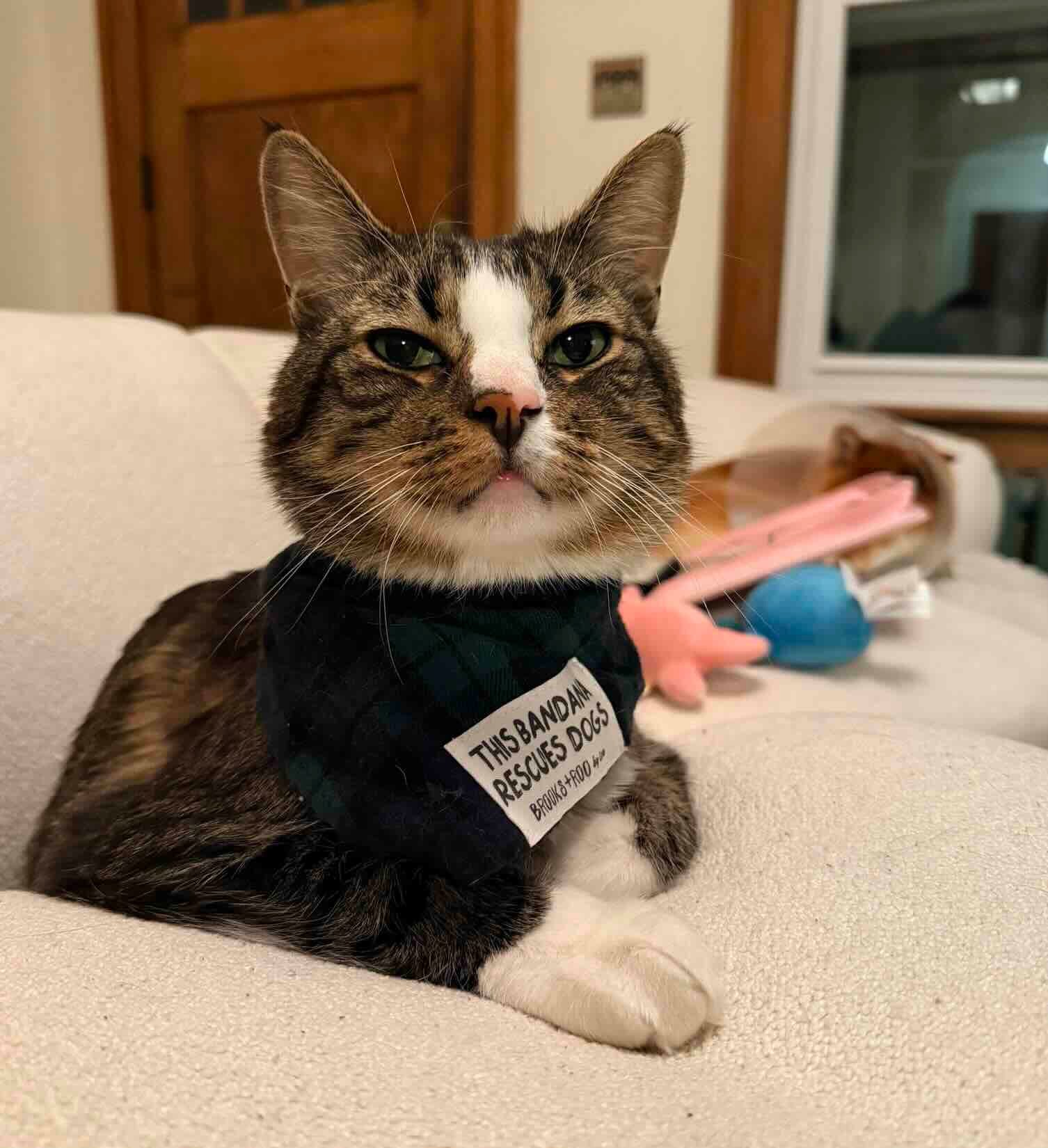
Prince is not cured. There's another CT scan ahead. But for a cat who was given a month or two, here he is — six months later, full of opinions and zoomies and life.
Some stories begin with laughter. And the best ones find their way back to it.
Take a look at the video below:
A big thank you to Danbi for sharing Prince's story with us.
You can see more of Prince and his family on Instagram, Facebook and TikTok
Related story: Stray Mama Cat Survives Cancer and Heartbreak, Blossoms Into the Most Devoted Cat Ever
More from We Love Cats and Kittens:
- A Stray Cat in Morocco Chose Her American Humans, But Getting Her Home Became an Epic Journey!
- Meet the Furry Dictators! Mario and Dundu’s Guide to Household Domination
- Wobbly Cat Finds Perfect Sister Who Adapts Her Entire Play Style for Him
- Sad-Faced Street Cat Ben: How Patience and Kindness Healed a Wounded Soul
If you liked this, then please share our story:
And while you're at it, leave a comment and tell us what you thought!
You May Also Like...