

Cat Born Without Eyes Becomes the Happiest, Most Confident Cat His Mom Has Ever Known
Share:
Some cats inspire pity. Ray inspires envy.
He has no eyes — not damaged ones, not cloudy ones, but simply empty sockets where eyes should have been. And yet, by every reasonable measure, Ray is one of the happiest, most confident, most thoroughly unbothered cats alive.
The only logical explanation for his particular brand of chaos? He's orange!
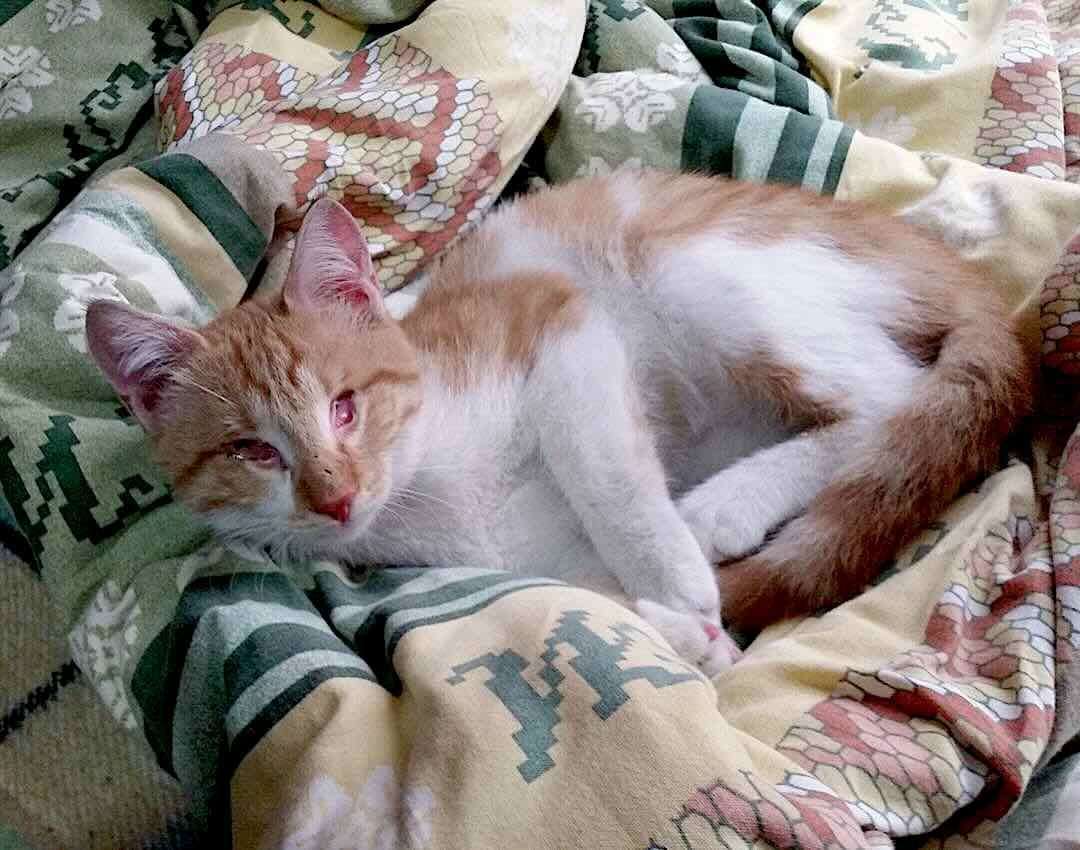
Ray's story begins on the streets of Turkey, where a kind old man had been quietly watching over an unusual little kitten. Knowing the cat needed more help than he could offer, he brought him to a local animal shelter.
The shelter did what they could — and that's where Ezgi found him. A four-to-five month old kitten, underweight, with a mild infection in his empty eye sockets, and absolutely zero awareness that any of this was supposed to be sad.
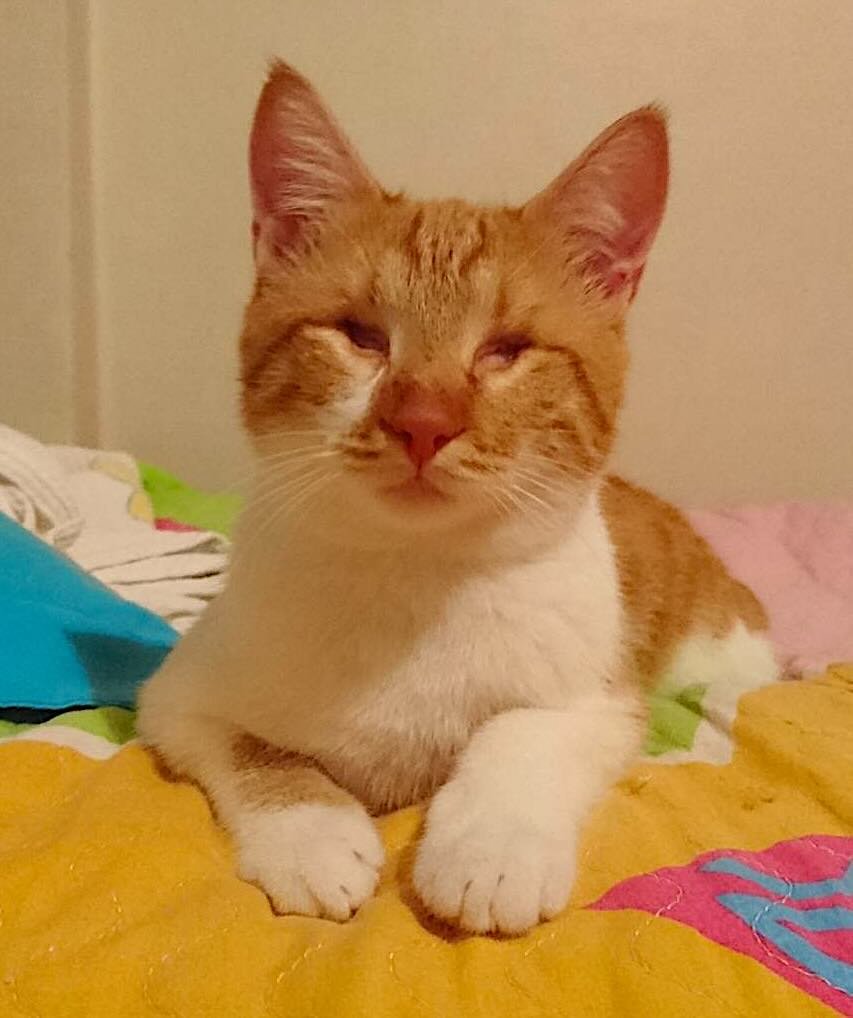
Ezgi took him home to foster, fully expecting a fragile, timid creature who would spend his days tucked quietly in a corner.
What she got instead was a kitten who had already worked out how to escape his shelter cage and had independently decided that the best sleeping spot was the trash can outside the vet's office.
She named him Ray — and she should have known then what she was in for.
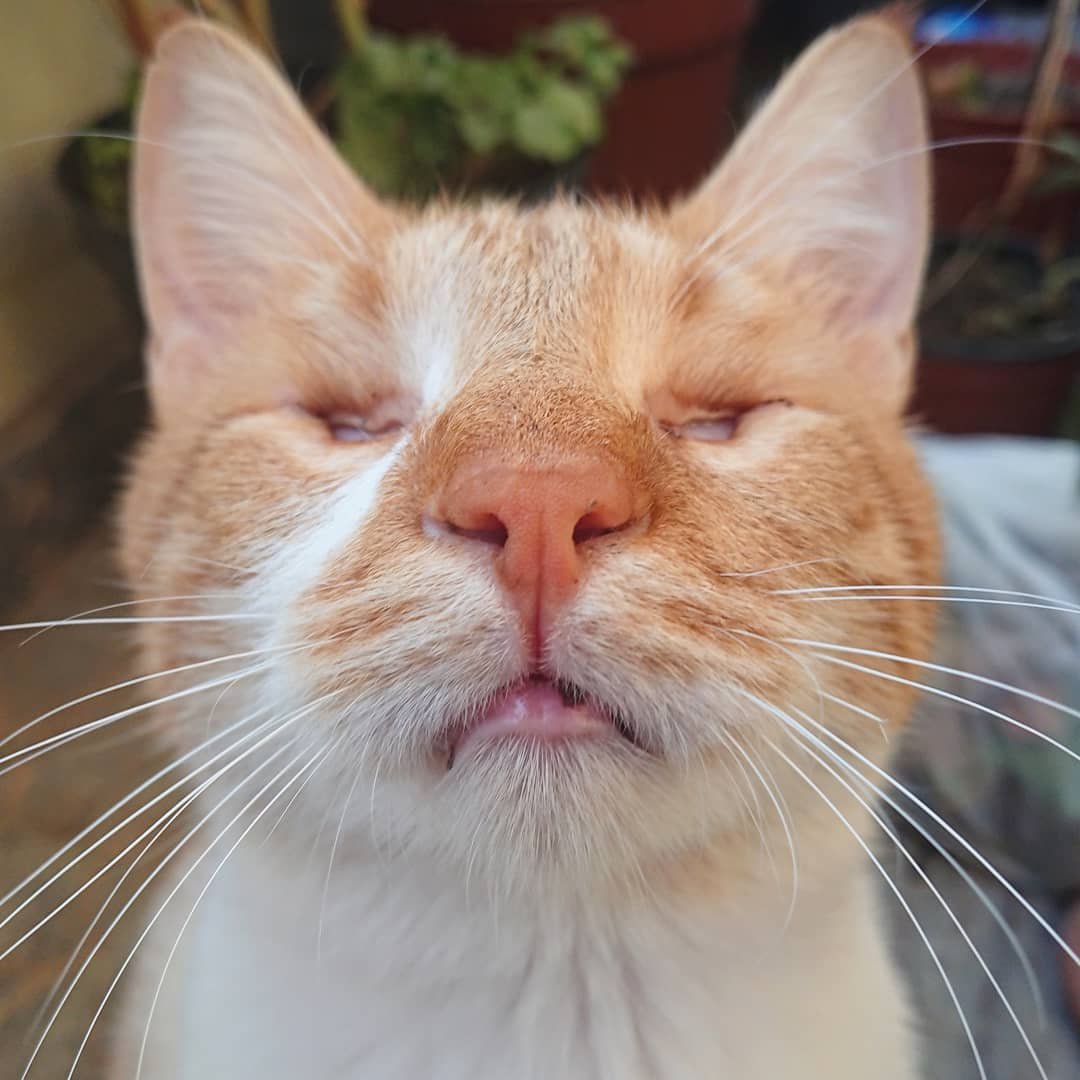
Within days of arriving at his foster home, Ray had memorised every inch of the space. He ran. He jumped. He played with toys. He fetched. Ezgi had pictured a small, gentle routine — eat, sleep, litter box, repeat — and had genuinely felt sorry for the little guy.
Instead, Ray was charging around the apartment like a cat who not only owned the place, but had already begun planning renovations.
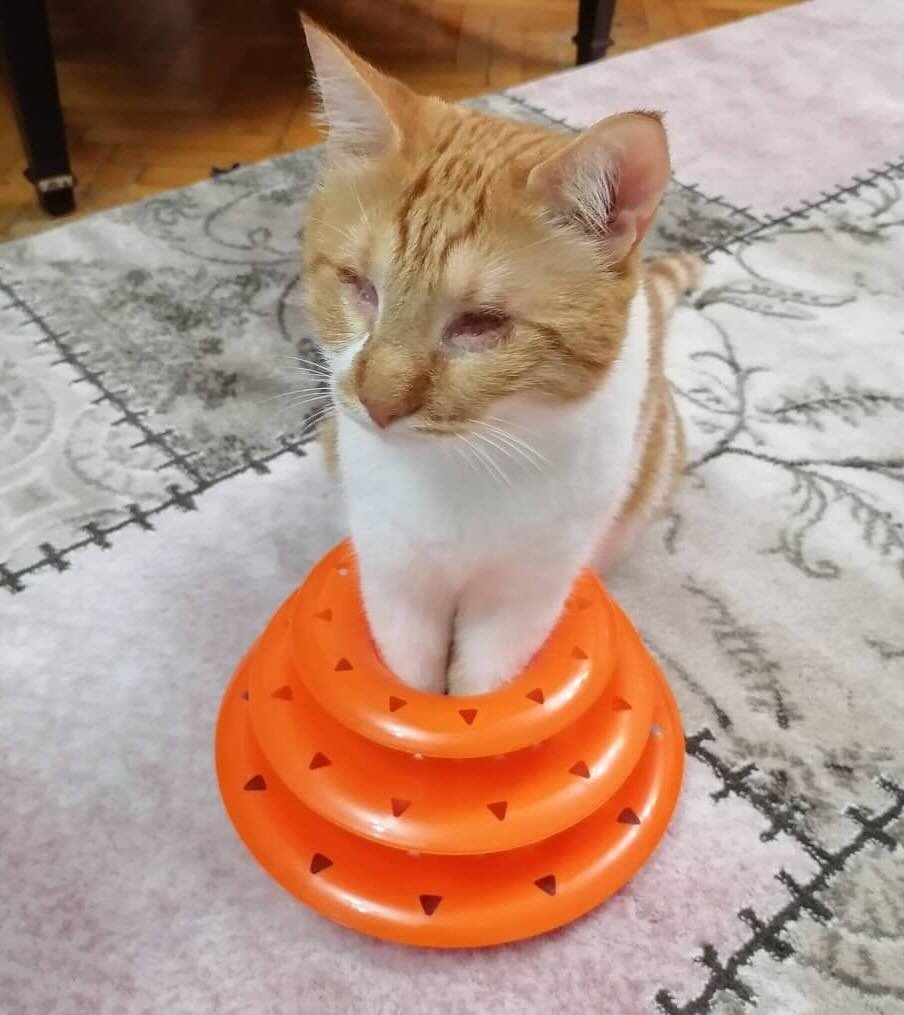
Ezgi found him a home fairly quickly. It stung a little to say goodbye, but she thought it was the right thing. It wasn't. A few months later, Ray was returned. He meowed too much, they said. He wanted too much attention.
Ezgi took one look at the situation and made a quiet, firm decision. Ray wasn't going anywhere again. He was hers.
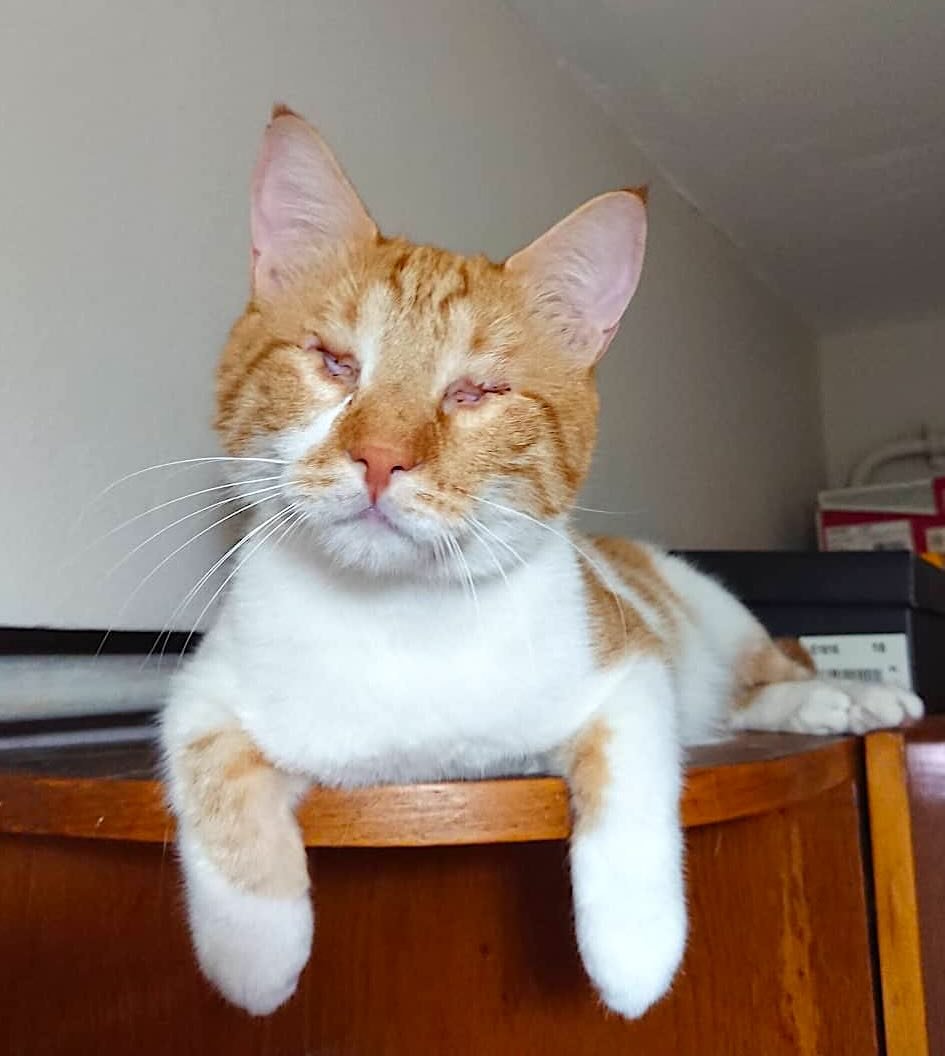
Introducing a blind cat into a household of four resident tabbies sounds, in theory, like something that could go smoothly with the right approach. In practice, the tabby gang was having absolutely none of it.
They weren't aggressive exactly — but they weren't welcoming either. For months, Ray had his own room while Ezgi worked through every integration technique she knew. Nothing landed. The tabbies remained thoroughly unimpressed.
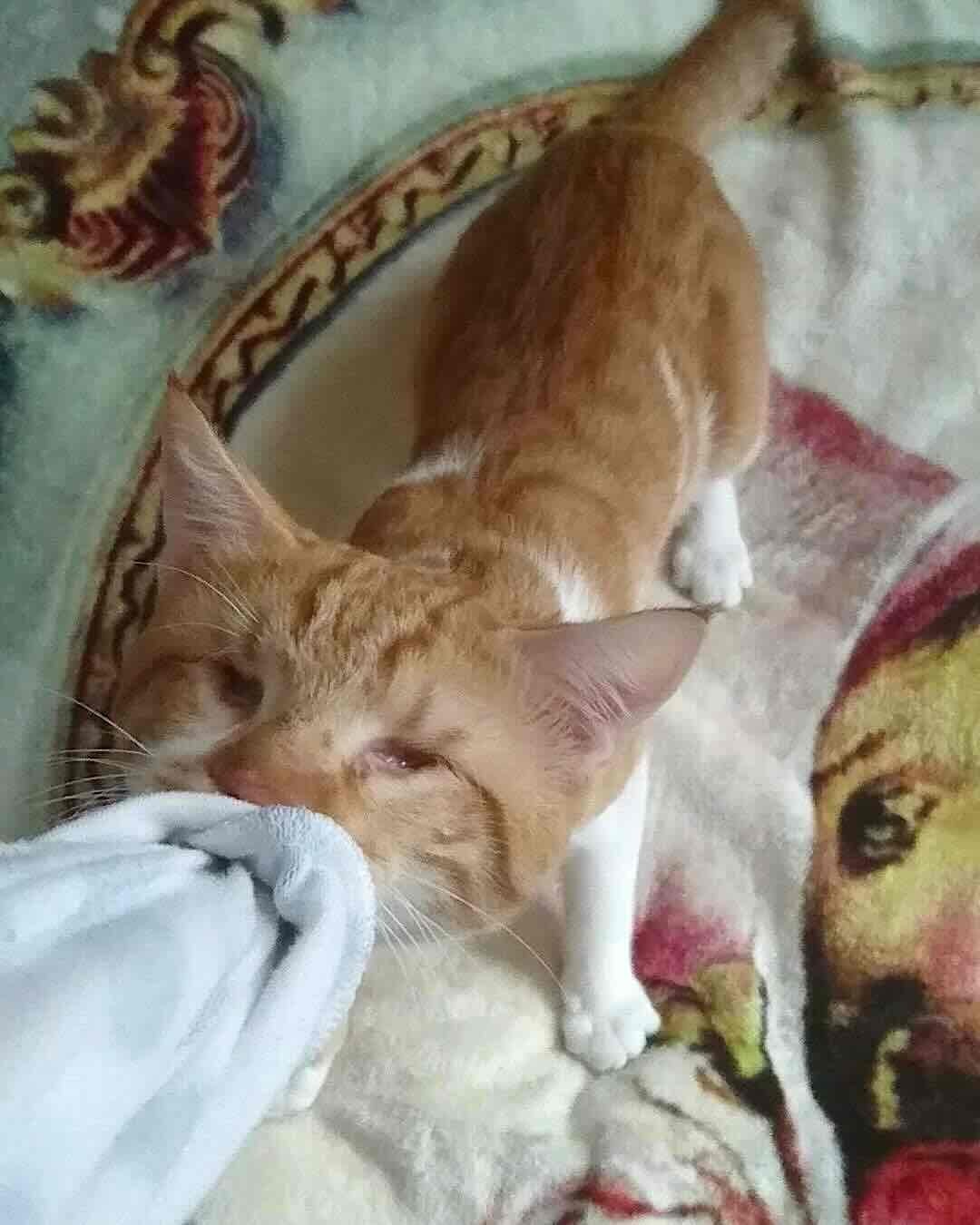
Then she turned her attention to Togepi, described diplomatically as "the best of the worst" — which, in the world of cat diplomacy, counts as a glowing endorsement.
Ezgi began letting Togepi into Ray's room, just the two of them, no audience, no other cats around to set the mood. Ray absorbed a few swats to the face. But slowly, something shifted.
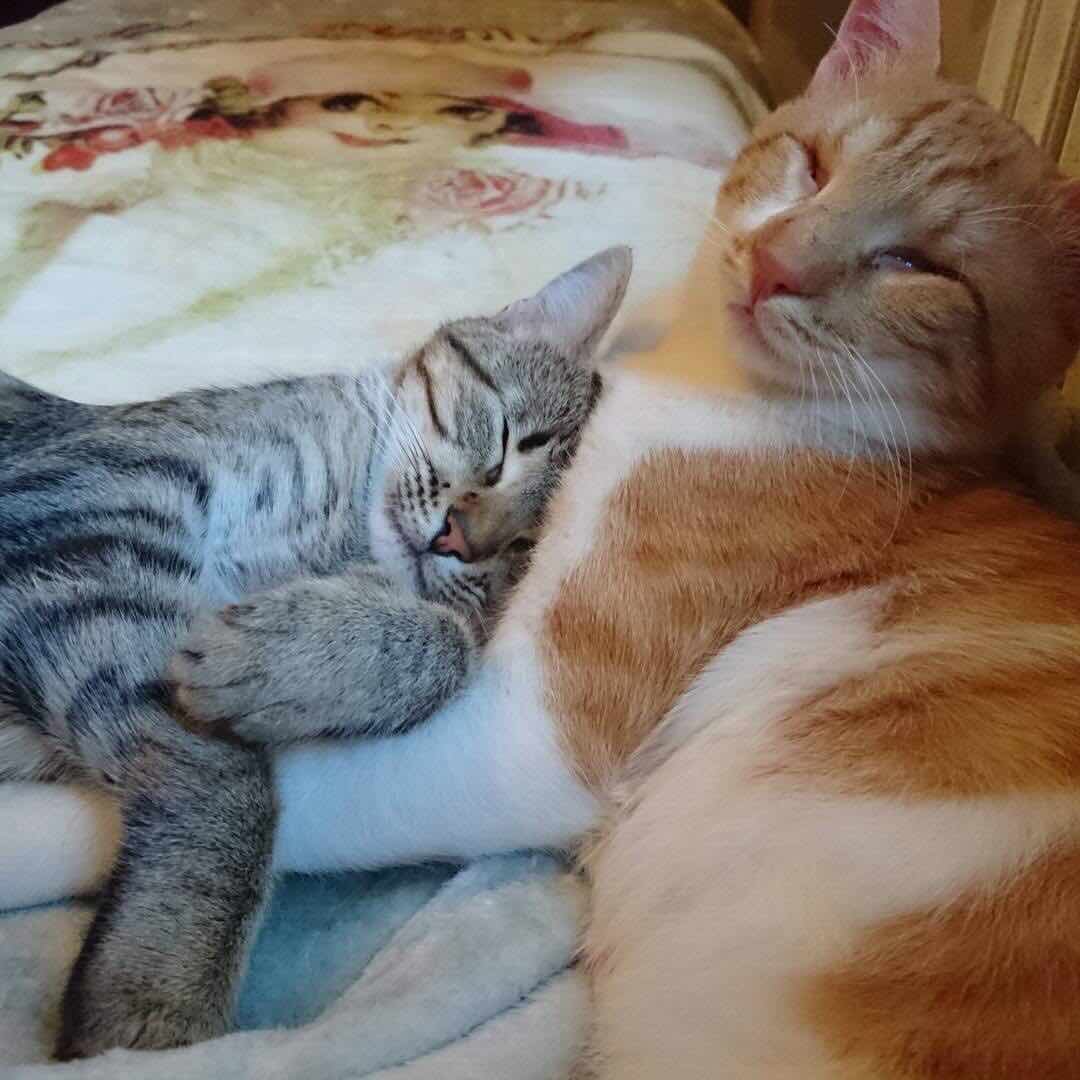
They started eating together. Then sleeping near each other on the cat condo. Then one day, Ezgi walked in to find them snuggled up side by side. After that, there was no looking back.
The two of them chased each other around the apartment, played together, and caused enthusiastic amounts of chaos. Ray once stole a ball of wool from Ezgi's grandmother's bag, and he and Togepi systematically unravelled it together with great satisfaction.
Togepi had found her partner in crime. Ray had found his best friend.
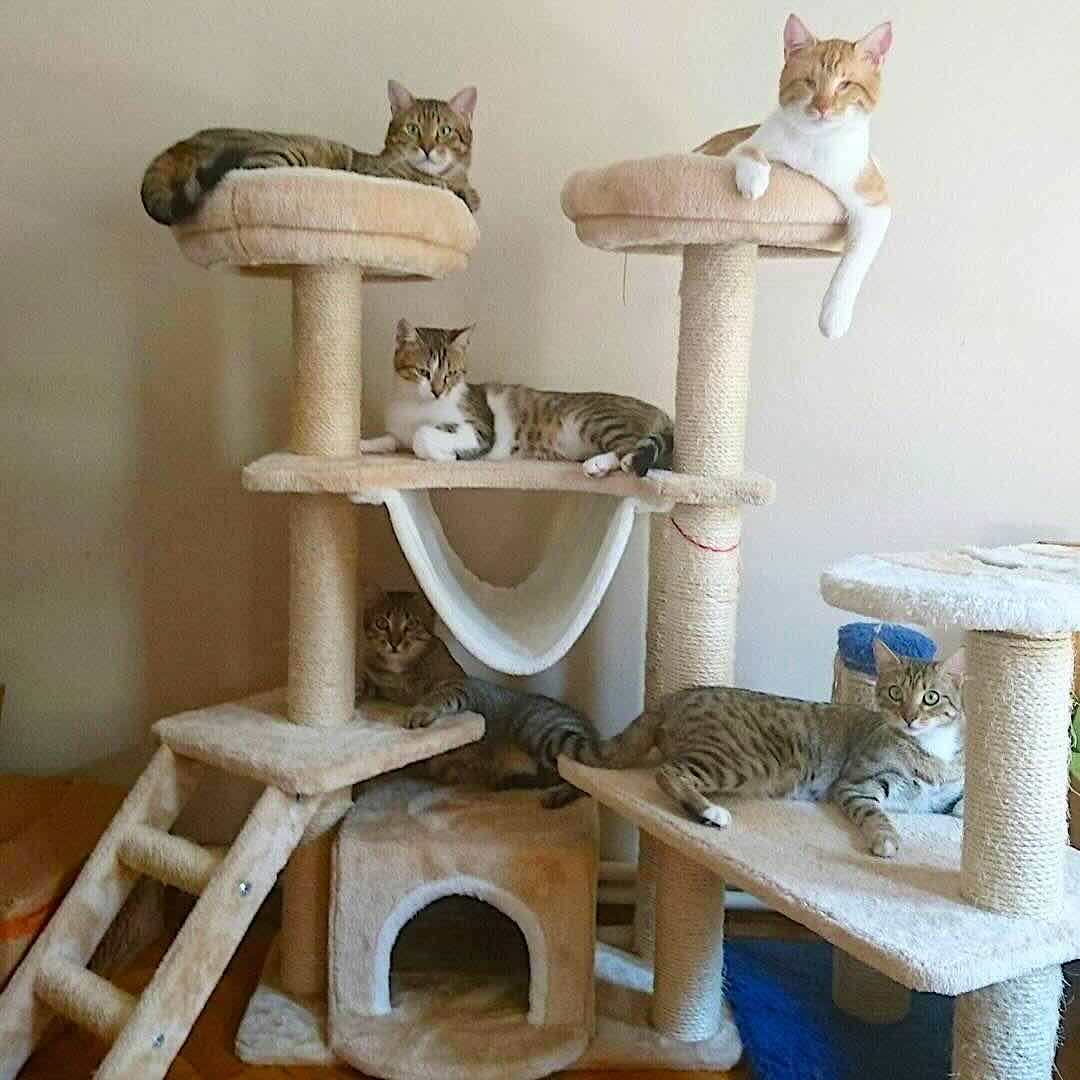
The rest of the tabby gang followed, one by one. The cat who had spent months alone in his own room became, somehow, the most social cat in the house — and according to Ezgi, the happiest.
His confidence, it turns out, is not a coping mechanism. It's simply who he is. Because Ray cannot see, he carries none of the visual anxieties that unsettle most cats. He is always the first to greet anyone who walks through the door.
When the family moves to a new home — which has happened several times — the sighted cats spend days hiding and adjusting. Ray maps the new space and gets on with his life, usually within the hour.
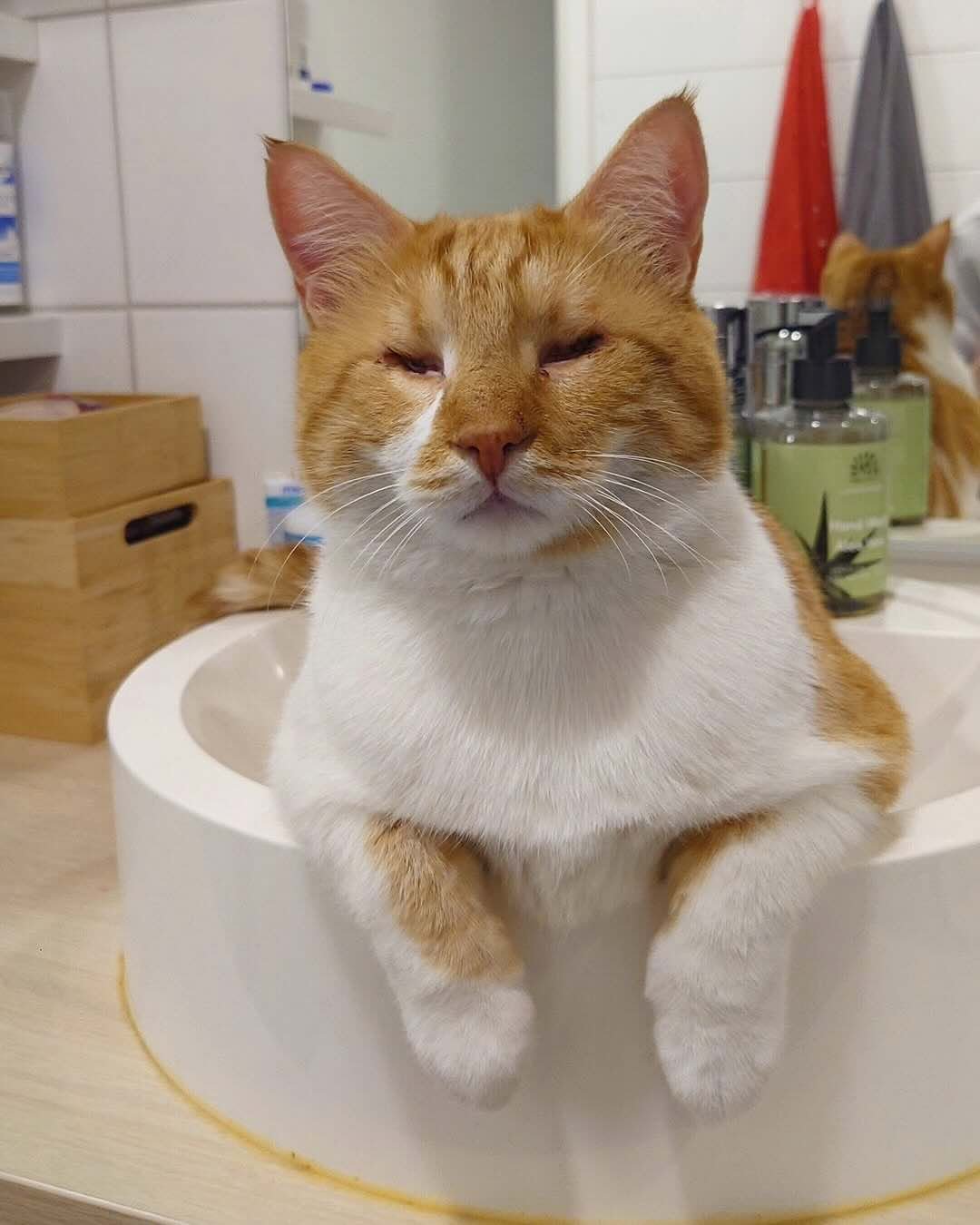
He walks on a leash. He goes to the beach. He sits on the balcony listening to birds and smelling flowers. He estimates heights, climbs to the top of wardrobes, and lands himself safely back down.
And he was, somehow, the first of all five cats to work out how to open closed doors — by jumping up and grabbing the handle. He then, with great generosity, taught the others.

There is one more detail about Ray that deserves mention. Because he cannot see Ezgi, he seems to have concluded that she cannot see him either. And so he narrates. Constantly.
A running commentary of meows tracking his location, his feelings, his immediate needs and general opinions. She didn't sign up for this level of communication. She's not complaining.

When Ezgi eventually moved to Finland for work, Ray flew in the cabin beside her — calm, quiet, no trouble at all.
He is currently living in Finland, still mapping new rooms, still announcing his whereabouts, still absolutely convinced that the next closed door leads somewhere worth exploring.
People hear Ray's story and often say they feel sorry for him. Ezgi's response is always the same: "please don't."
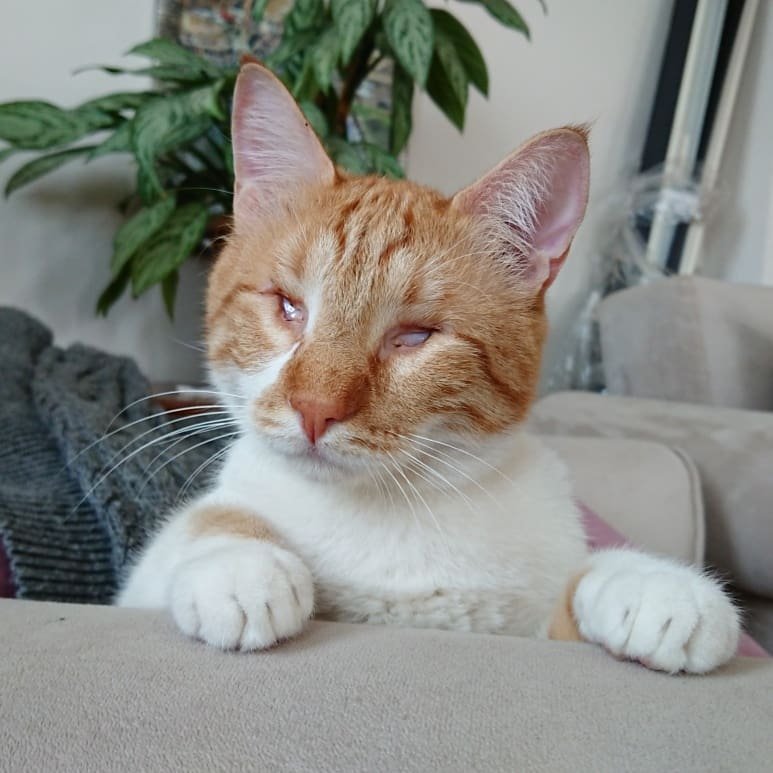
He has friends, a warm home, a human who once thought she was just fostering him, and ten years of a life lived entirely on his own terms. What he doesn't have is the faintest idea he's supposed to feel limited.
And honestly? He's the lucky one.
Check out Ray in the video below:
A big thank you to Ezgi for sharing Ray's story with us.
You can see more of Ray and family on Instagram
Related story: Blind and Deaf Senior Cat Abandoned at Sanctuary Finds Perfect Family Who Sees His Beautiful Heart
More from We Love Cats and Kittens:
If you liked this, then please share our story:
And while you're at it, leave a comment and tell us what you thought!
You May Also Like...