

Kitten Had Brain Surgery Before She Could Eat Solid Food and Has Zero Interest in Taking It Easy
Share:
She was two weeks old, alone on the streets of Philadelphia, and nearly starving.
No mother. No shelter with the capacity to take in a bottle kitten. Just a tiny, scraggly ginger baby with no plan and no prospects — except, as it turned out, an extraordinary future that nobody could have predicted from that starting point.
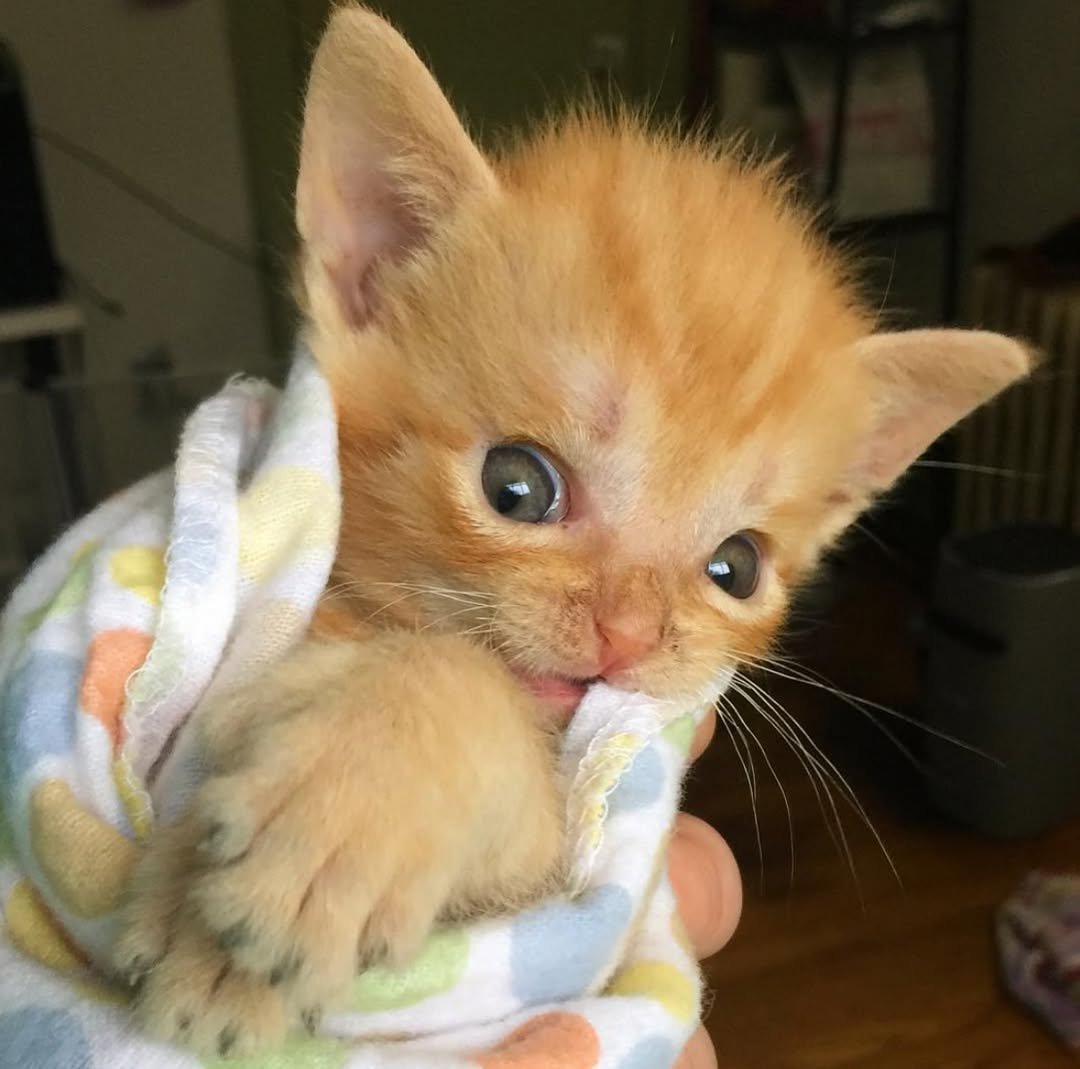
Jen Mack could have said no. She runs Kitkat Playroom, an all-volunteer nonprofit cat rescue based in New Jersey, and her plate was already full.
But when a city shelter in Philadelphia called about a kitten nobody knew what to do with, Jen drove across the entire state to pick her up anyway. The kitten was scrawny and small and orange — which, as it happens, is rarer than most people realise.
Only around one in five orange cats is female. This tiny ginger girl was already beating odds before anyone knew the half of it.
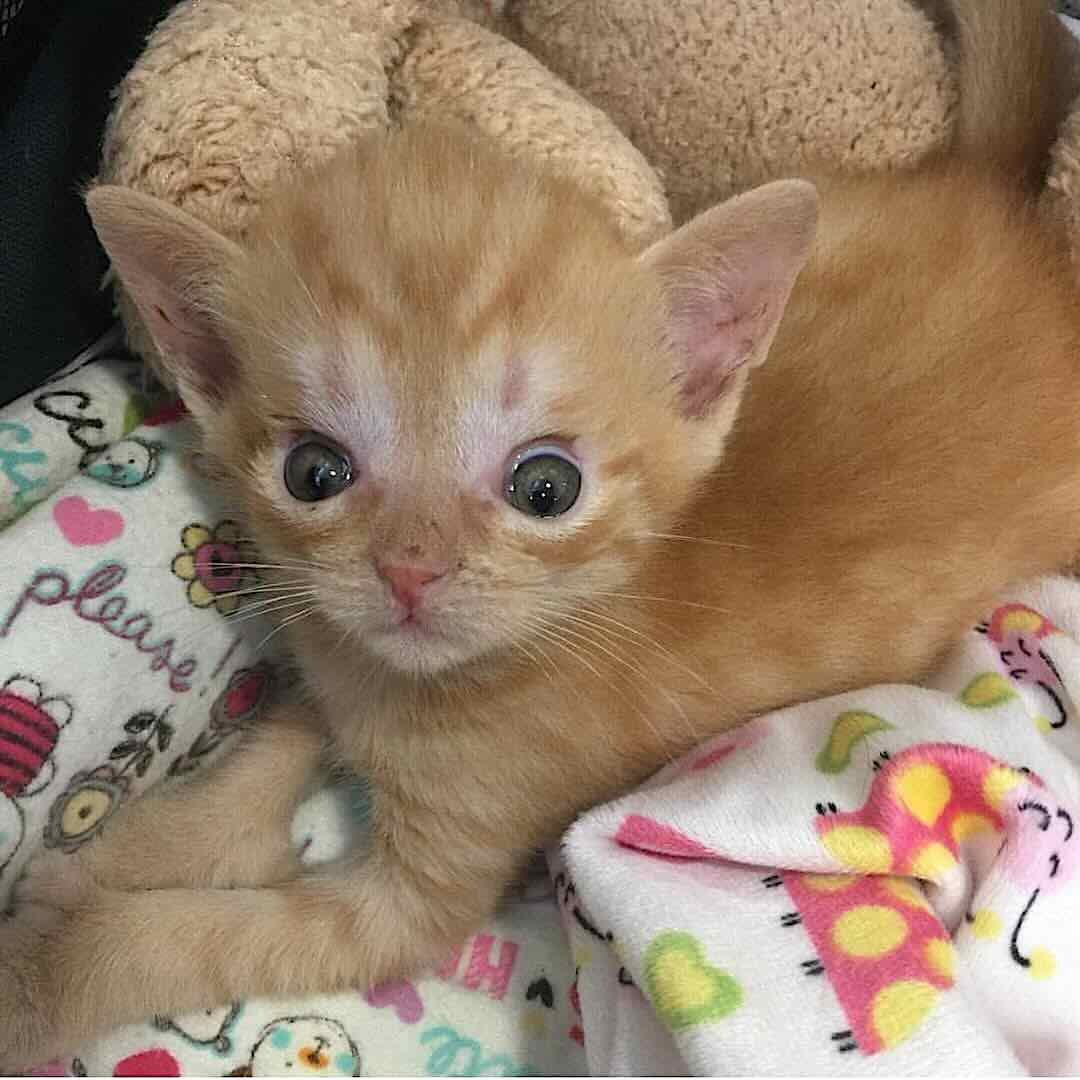
She named her Tate.
Within a week of coming home, Jen noticed something that made her stomach drop. A large, soft spot on top of Tate's head, the kind that doesn't belong there. A neurologist at Red Bank Veterinary Hospital confirmed what the soft spot suggested: hydrocephalus.
A condition where excess cerebrospinal fluid builds up inside the brain, creating pressure that, left unmanaged, causes irreversible damage. In cats, it is frequently fatal. In a kitten this young and this small, the odds were not encouraging.
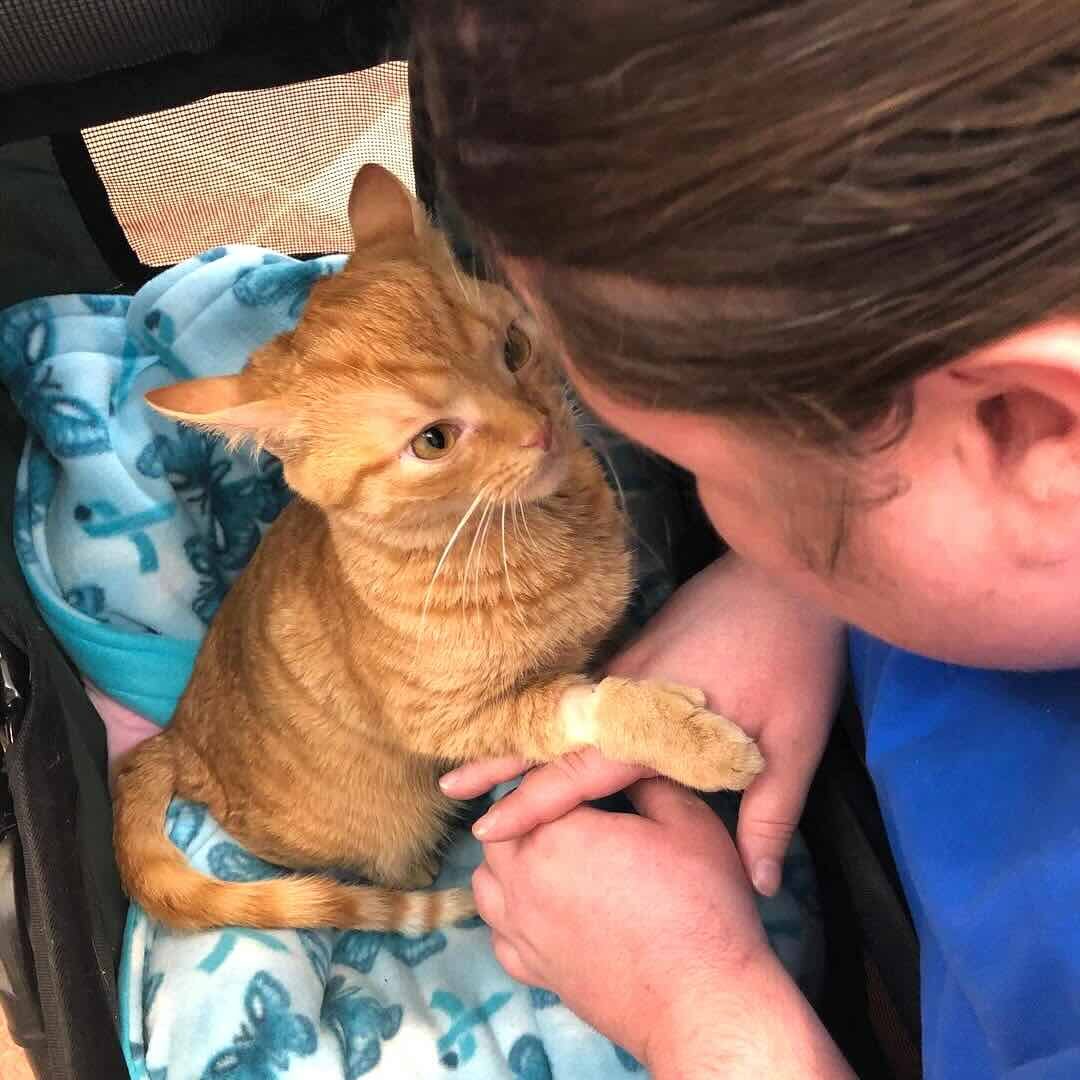
Two procedures to drain the fluid bought some time. After the second emergency drain, her medical team made their decision. Surgery.
A magnetic, adjustable VP shunt — the kind ordinarily used in human infants — would be placed inside Tate's brain to divert the excess fluid into her abdomen, where her body could safely absorb it.
The procedure had never been performed on a kitten as small as she was. She was nine weeks old and weighed less than two pounds. She came through it like she had somewhere to be afterward.
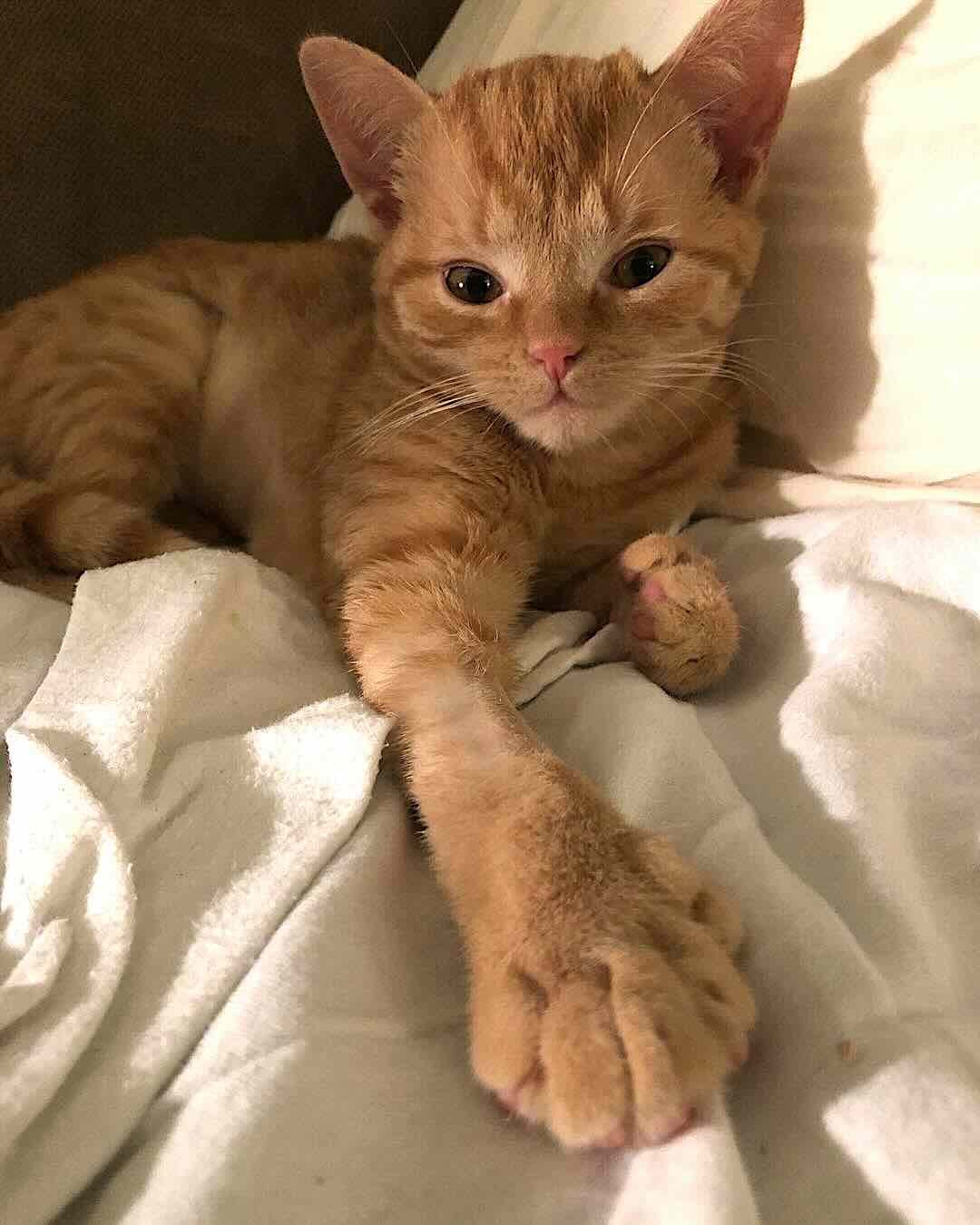
By the time she woke up, she was eating. Moving around. Using her litter box with the matter-of-fact confidence of a cat who had not registered that she was supposed to be fragile. She was given structured ten-minute play sessions up to six times a day in a room padded with foam and baby bumpers to protect her head.
In those ten minutes, she went absolutely flat out — zooming around with the unbothered energy of a kitten who was completely unaware she had just had major brain surgery, and who would have been unimpressed by that information regardless.
Her little rear end, Jen noted with great affection, appeared to have its own engine. There was no governing it.
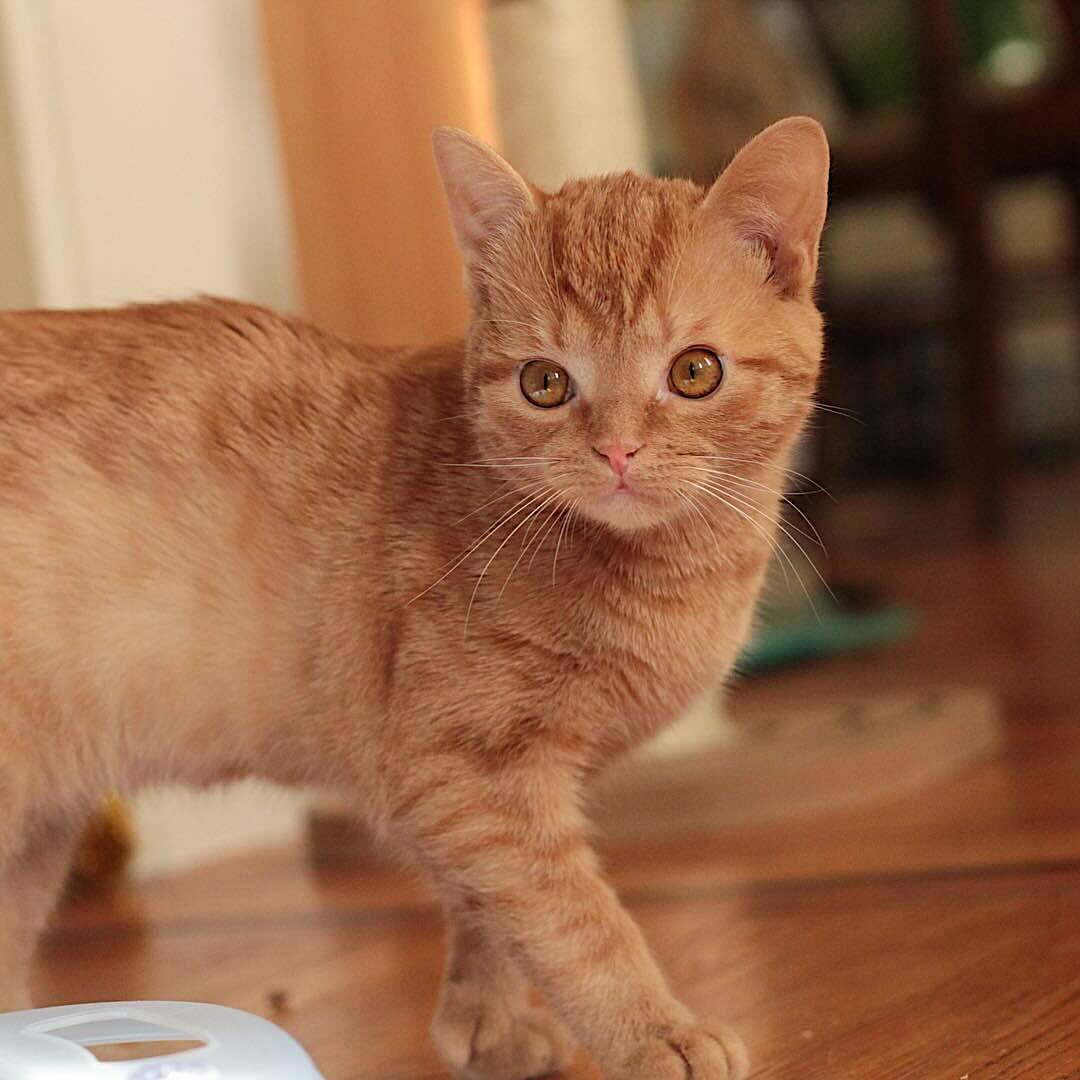
Six weeks after the operation, she was off all medications. Her vet team was astonished. Tate had naps to take and was not available for astonishment.
But life with hydrocephalus is never entirely without complication, and Tate's was no exception.
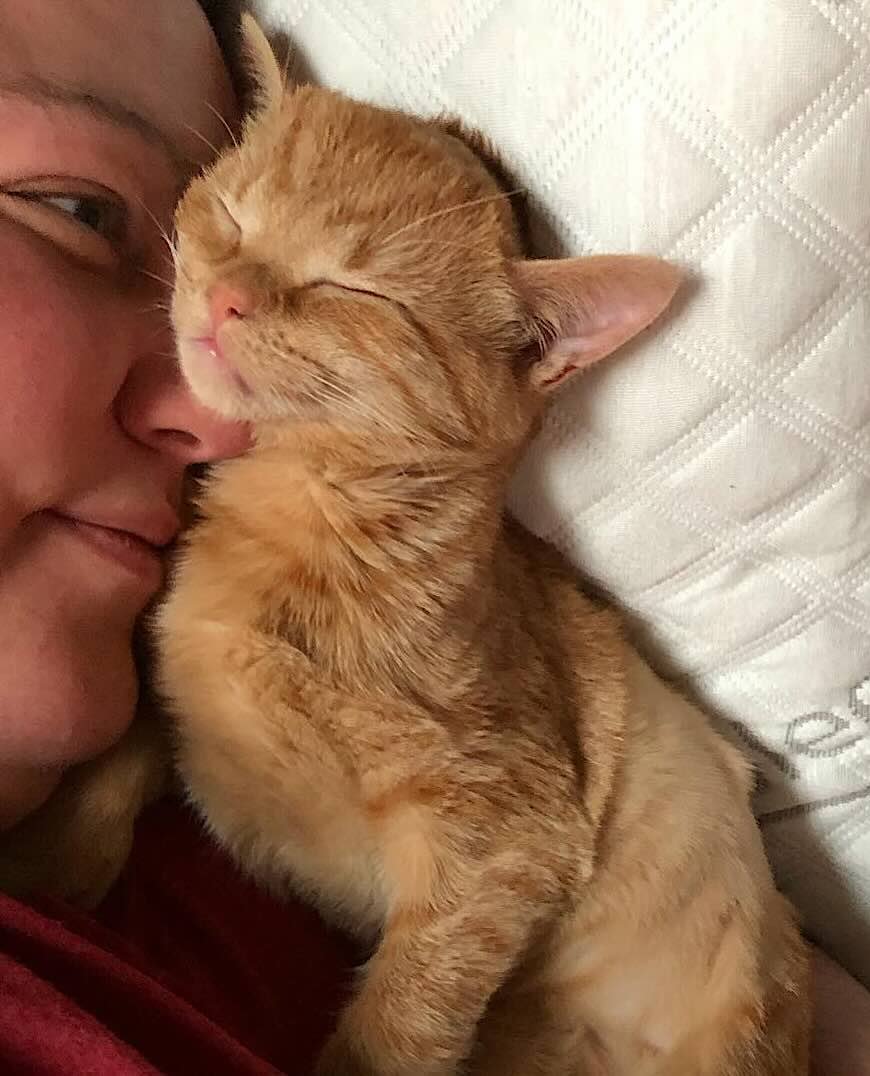
As she approached her first birthday, her shunt tubing cracked — something her vet described as an almost vanishingly rare occurrence, which was presumably of little comfort to Tate, who experienced her first seizure alone in the dark early hours of a morning, frightened and disoriented.
Jen was there within moments, holding her close and talking softly until she calmed. The shunt was surgically repaired, daily seizure medication was introduced — administered, to nobody's surprise, hidden inside her favourite treats — and life continued.
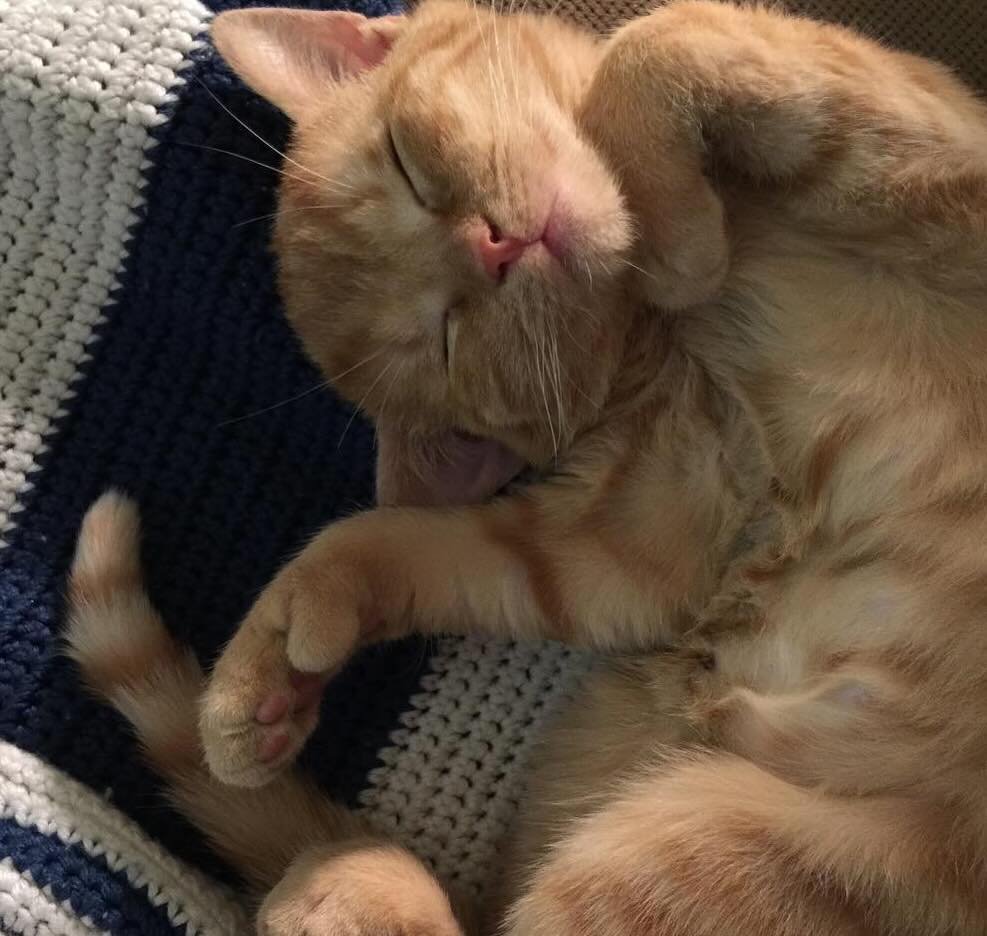
What followed were years of love measured partly in vet visits. A hospitalisation where Tate had seventeen seizures in twelve hours, including six during the drive to the hospital.
A period when the seizures temporarily took her vision. Countless appointments with her devoted neurologist, Dr. Glass at Red Bank Veterinary Hospital, who became as much a fixture in her life as the couch she napped on.
Through all of it — and it was a great deal — Jen was there, and so was Tate, and neither of them had any intention of giving up.
And then came the news that stopped everyone cold.
An MRI comparison, taken after one of her hospitalisations, revealed something that her neurological team had not seen before and could not quite believe they were seeing now. Before her shunt, Tate had barely any brain matter. Years of properly managed fluid levels had allowed something extraordinary: new brain cells had grown.
Her brain had actually expanded, filling space that had once been occupied by fluid and pressure and very little else. This phenomenon — possible in young felines in ways it simply is not in primates or humans — stunned the people who had cared for her. Tate had not merely survived her diagnosis.
She had, in the most literal sense possible, grown into herself.
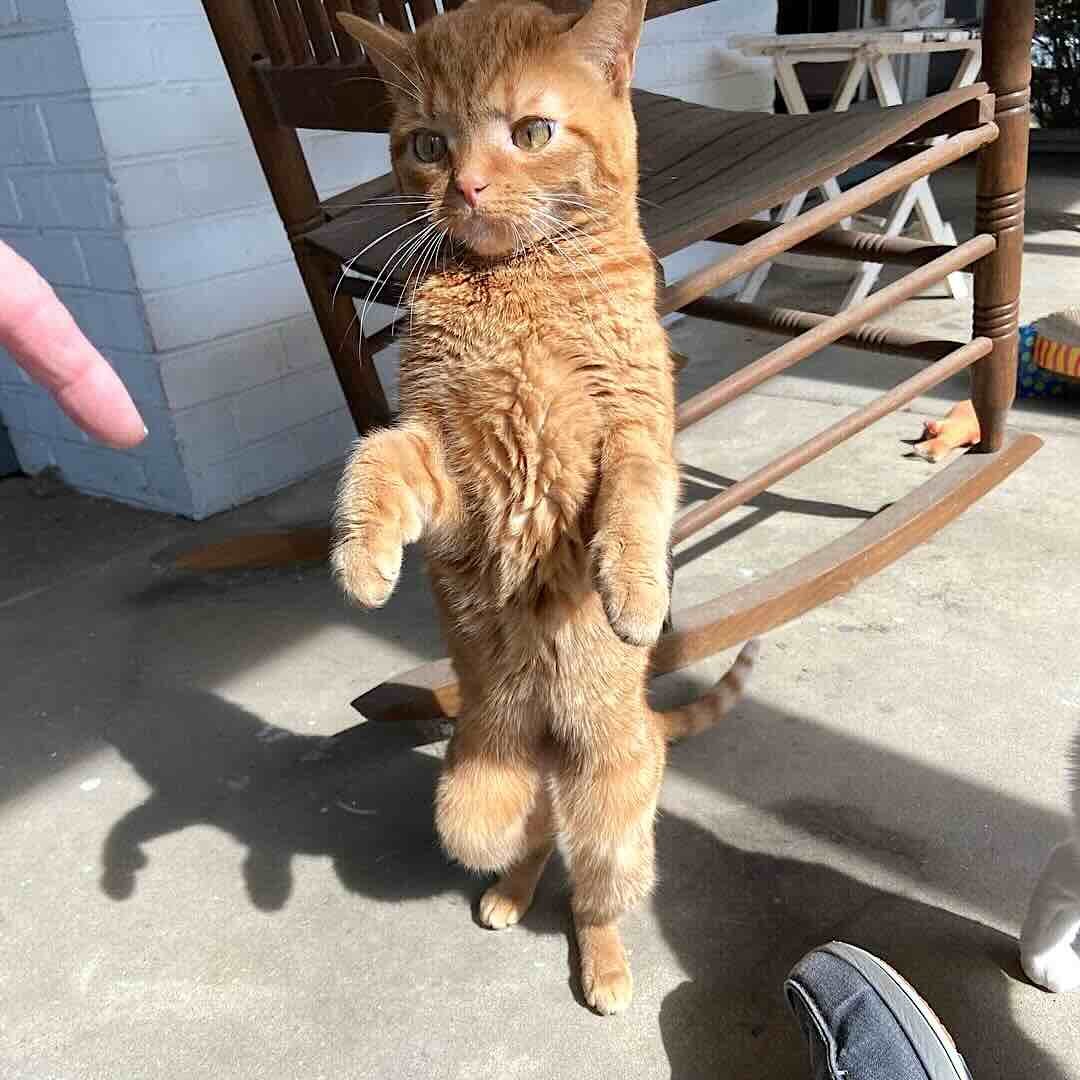
Her quirks are entirely her own. She has no interest in boxes, which baffles Jen regularly. She sometimes falls asleep sitting perfectly upright, as though lying down felt like too much of a commitment.
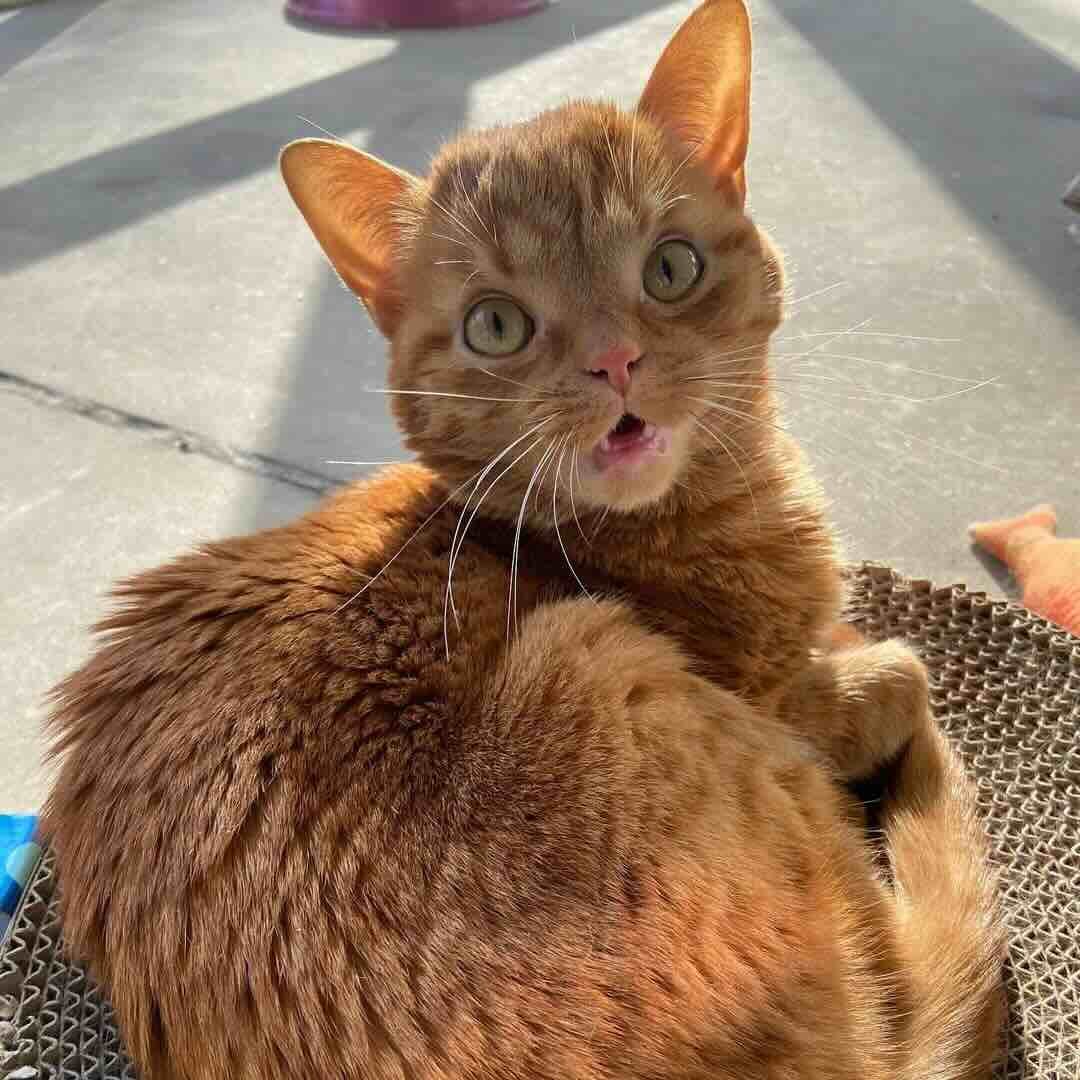
Because her depth perception isn't quite right, she reaches for toys and catches air with great frequency and absolute conviction, and it is, without exception, completely charming. She has polydactyly — extra toes on each paw — and the additional personality to match.
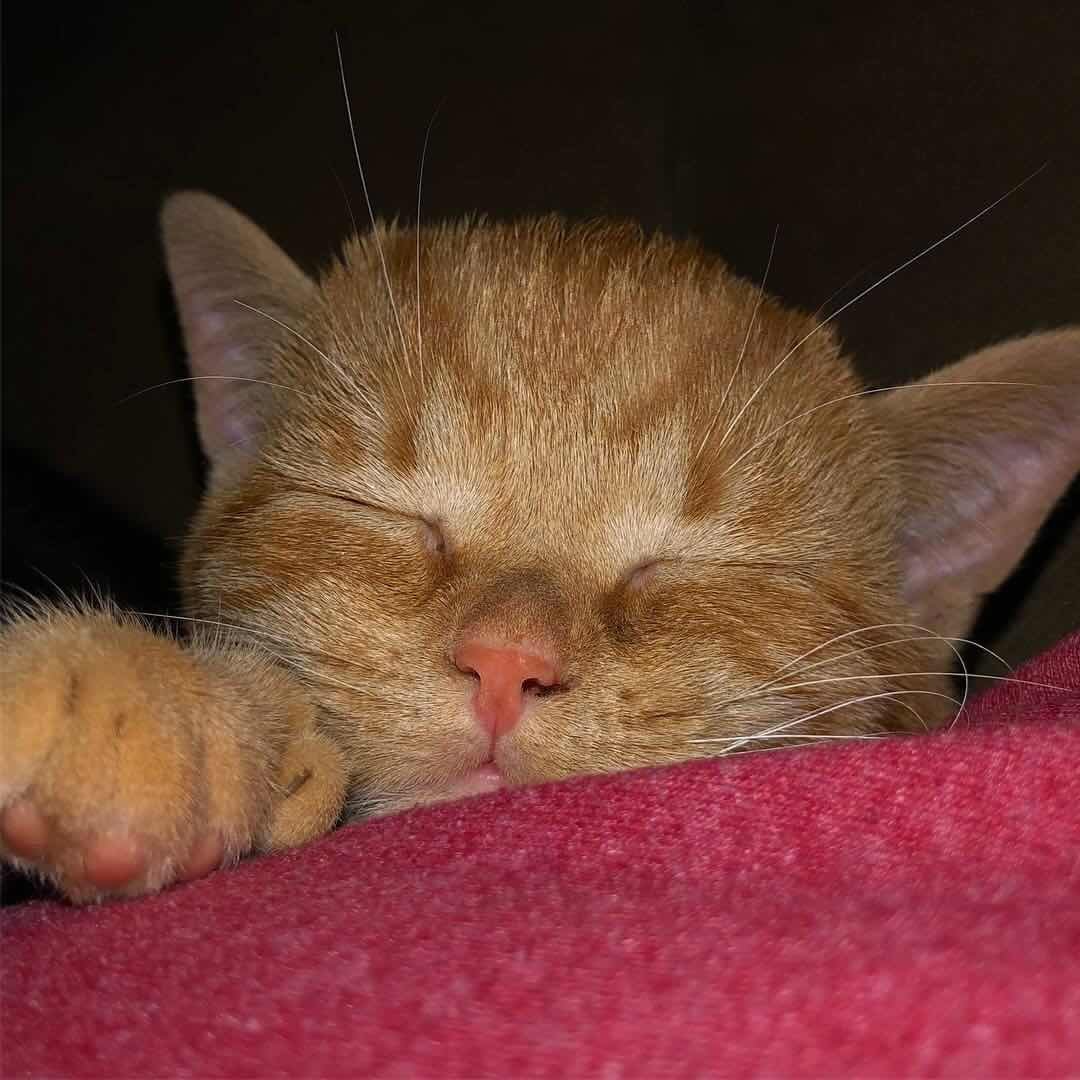
She does not know that her case has been studied by neurologists. She does not know that the doctors trained through her care have gone on to help others like her, that her survival and her extraordinary brain growth changed what people believed was possible.
She does not know she was the smallest kitten ever to come through the surgery she had at nine weeks old.
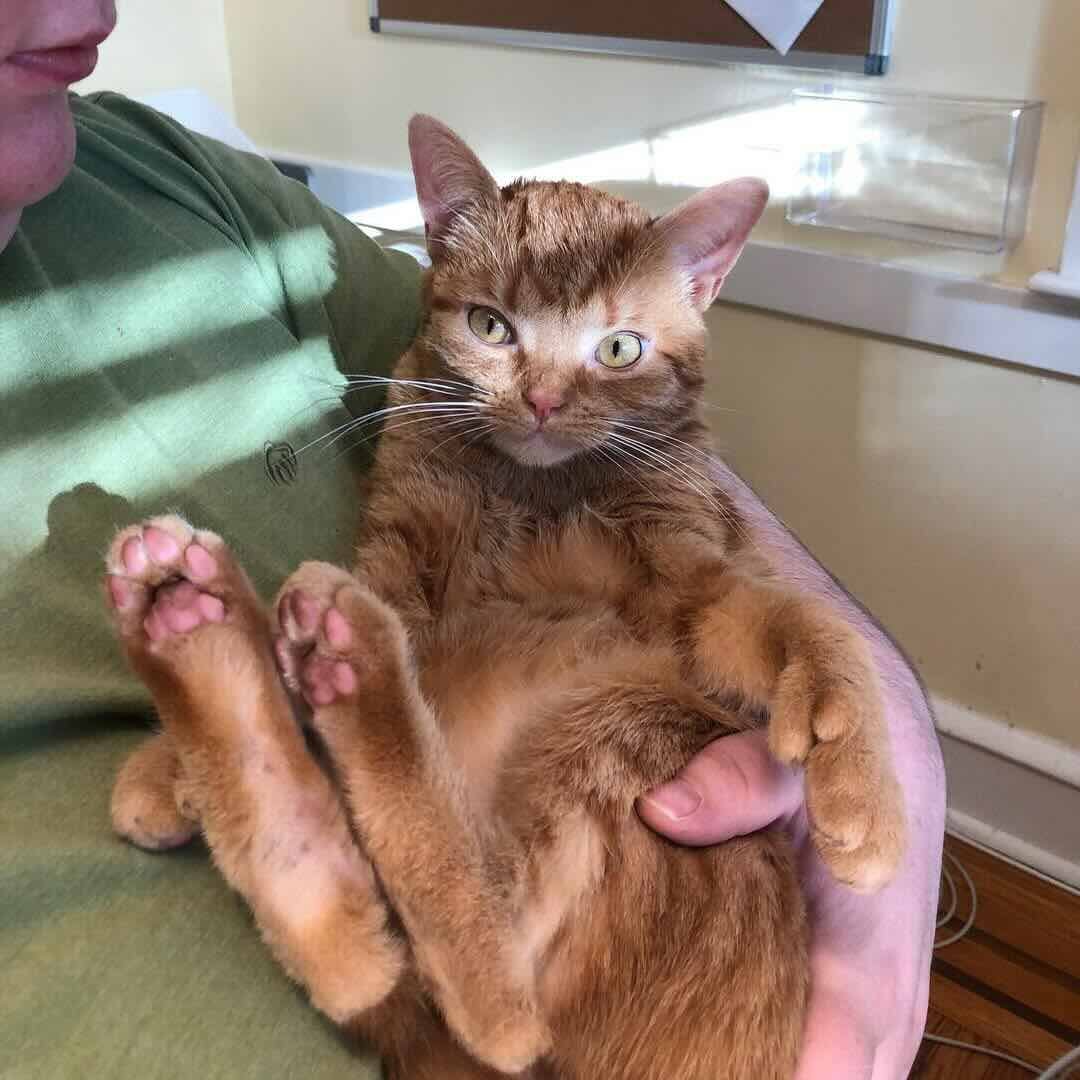
What she knows is that the couch is warm, the churus arrive twice a day, and Jen is always there — every single time she is needed, including, especially, when what is needed is a face to sleep on.
That, for Tate, is everything. And it turns out to be more than enough.
Take a look at the video below:
A big thank you to Jen for sharing Tate's story with us.
You can see more of Tate and family on Instagram
Related story: The Helmet Princess: Milly’s Tale of Strength and Love
More from We Love Cats and Kittens:
- Abandoned Forever Kitten Survives FIP and Finds Forever Home With the People That Saved Him
- Black Cat Slowly Transforms Into a Living Work of Art and Captures the Internet’s Heart
- Meet King Dorito! One Eye, Zero Limitations, and a Brother Who Matched Him Perfectly
- Tiny Grey Kitten Left for Dead Becomes His New Mom’s Greatest Treasure and Business Partner
If you liked this, then please share our story:
And while you're at it, leave a comment and tell us what you thought!
You May Also Like...