

Shelter Cat Mom Gets Second Chance and Saves Her Babies Against All Odds
Share:
Behind the metal bars of a shelter kennel lived a remarkable mother cat whose story would soon become one of extraordinary resilience and love.
Marigold, with her distinctive squishy face, short snout, and endearing habit of letting her tongue peek out, had known only the confines of a cage until the day everything changed.

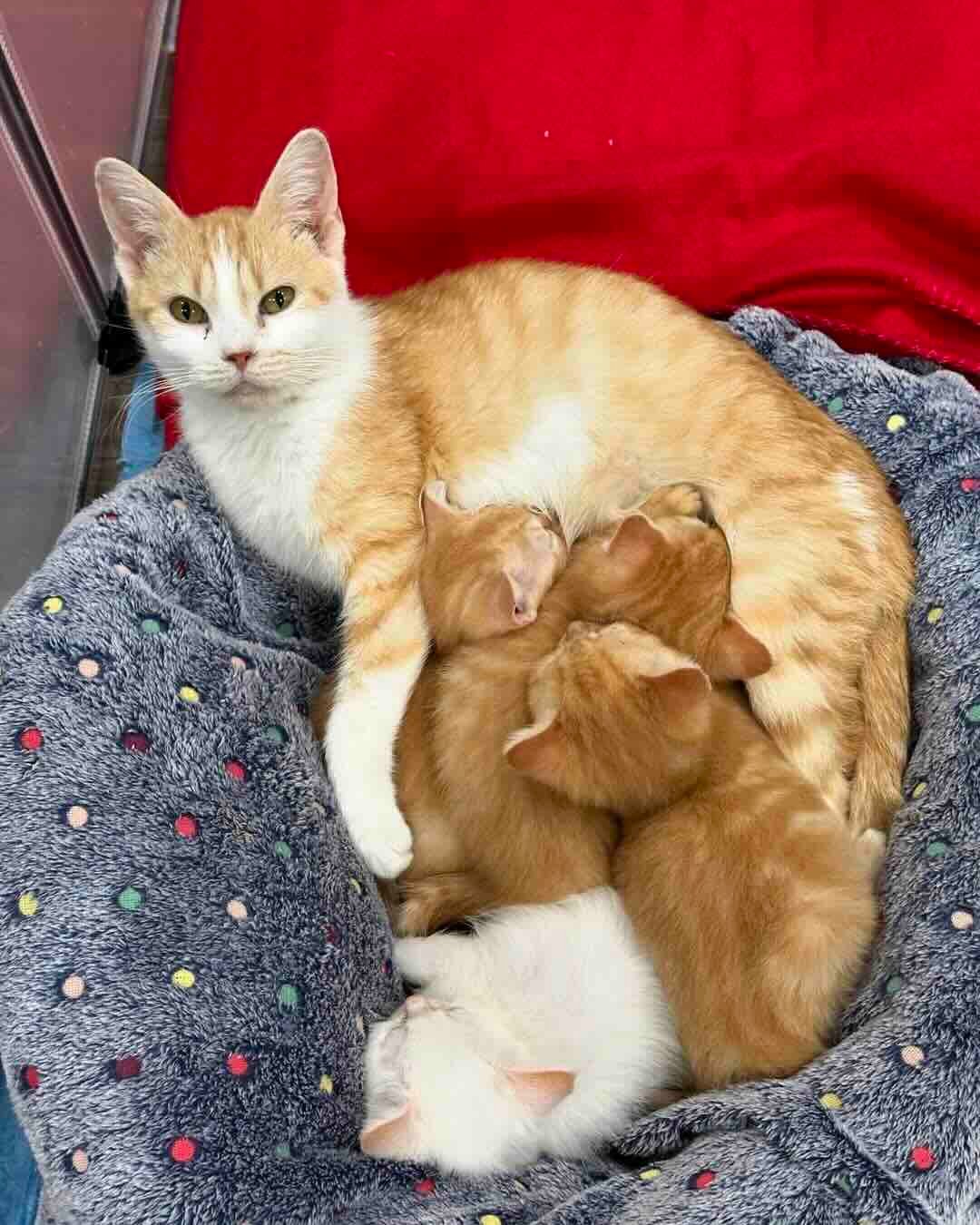
When Lori first encountered Marigold during a transport run for The Alliance for Responsible Pet Ownership, the mama cat had just given birth to four precious kittens.
Something about this small family tugged at Lori's heart, and she made a promise that would alter all their lives: she would return for them when space became available in her foster home.
True to her word, Lori kept that promise.
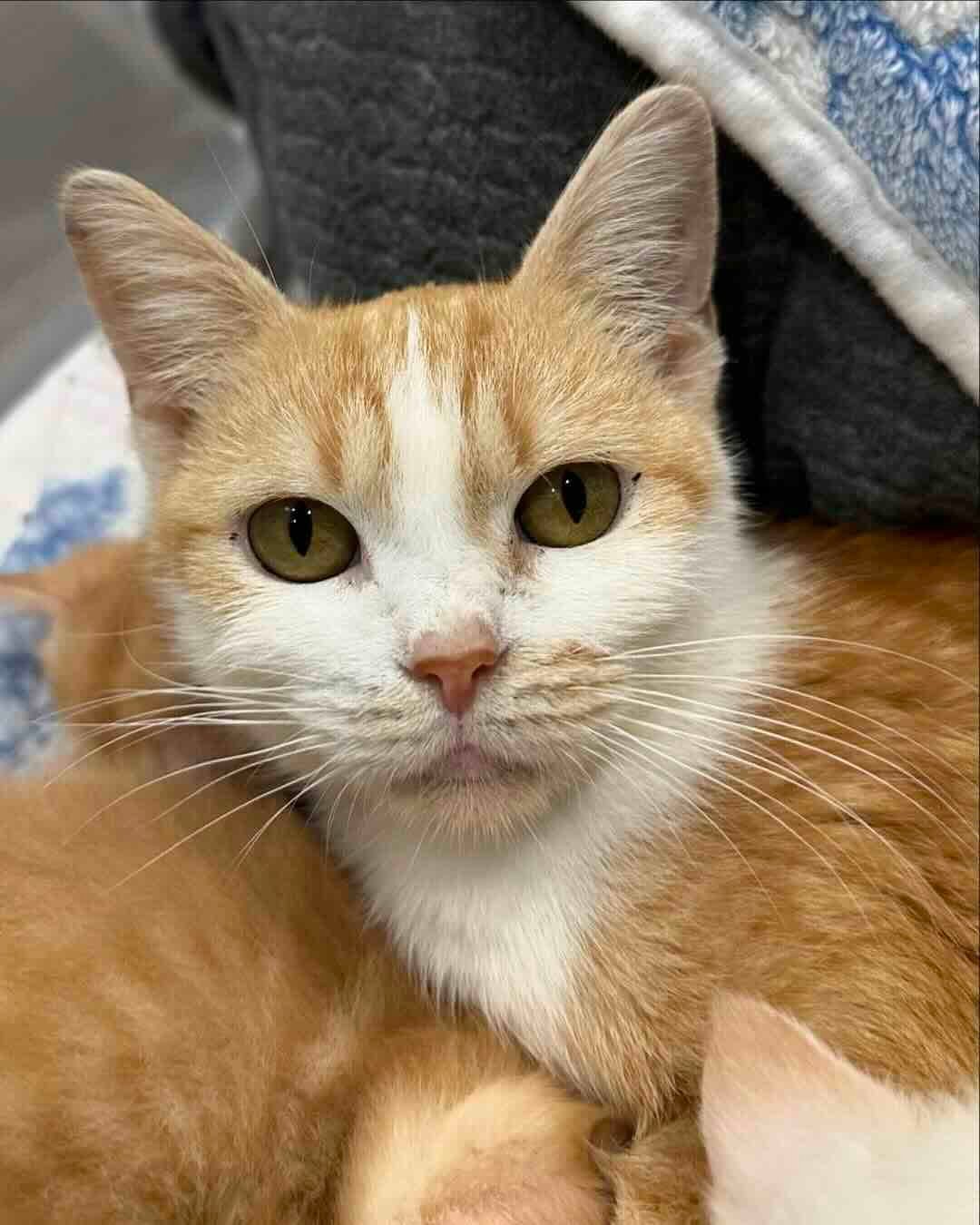
The shelter staff had chosen the name Marigold for their gentle resident, and Lori loved it so much she decided to keep it.
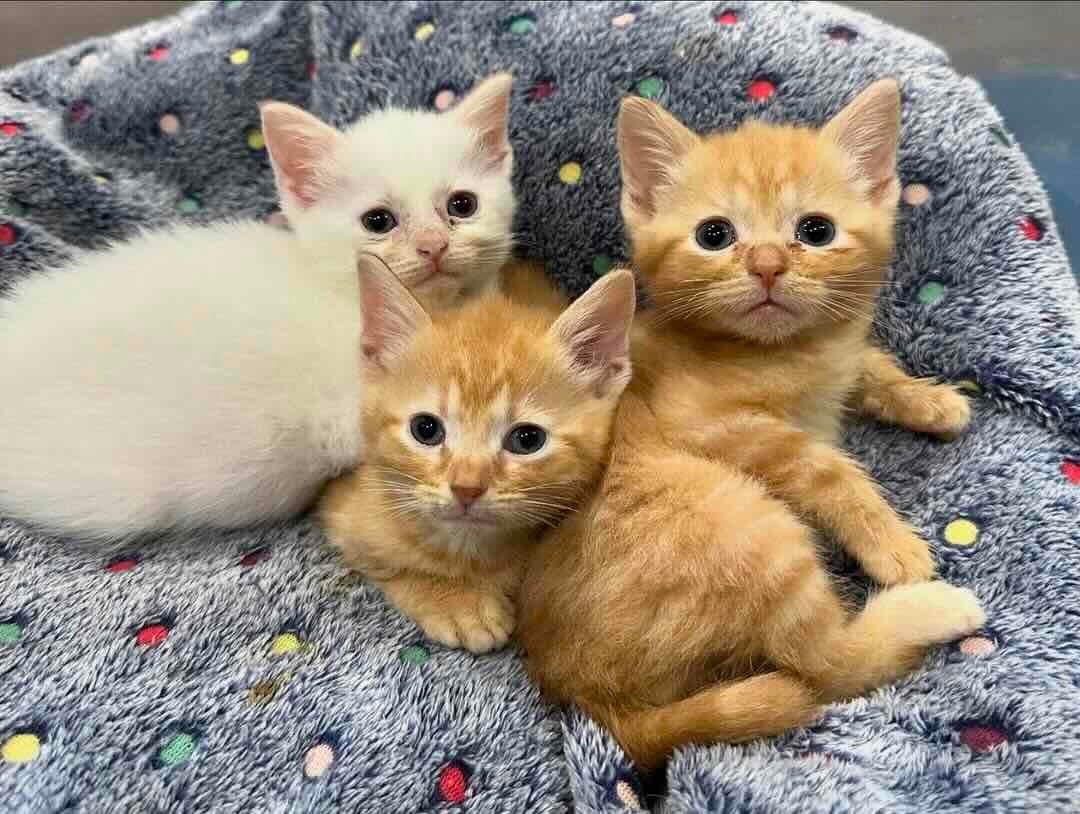
Inspired by a bee-themed naming scheme she'd been wanting to try, she christened the four kittens with names that perfectly captured their essence:
Buzz Buzz, Bumble Bee, Shasta Daisy, and Sunflower—a charming combination of flowers and bees that seemed to suit their new beginning.
However, their early days in foster care revealed the toll that shelter life had taken.
While the kittens weighed what three-week-olds should, their little legs desperately needed muscle development—a common result when space and resources limit a mother's ability to receive proper nutrition for nursing.
Lori immediately began an intensive feeding regimen for Marigold, providing multiple meals of wet food daily, plenty of fresh water, and dry kibble for snacking.

Just as the family seemed to be settling into their new routine, crisis struck. Despite Marigold testing negative for diseases just days before, little Daisy returned a faint positive result for panleukopenia during a routine vet visit.
The diagnosis sent chills through Lori's heart—panleukopenia, often called "panleuk," is a highly contagious and frequently fatal disease in cats.
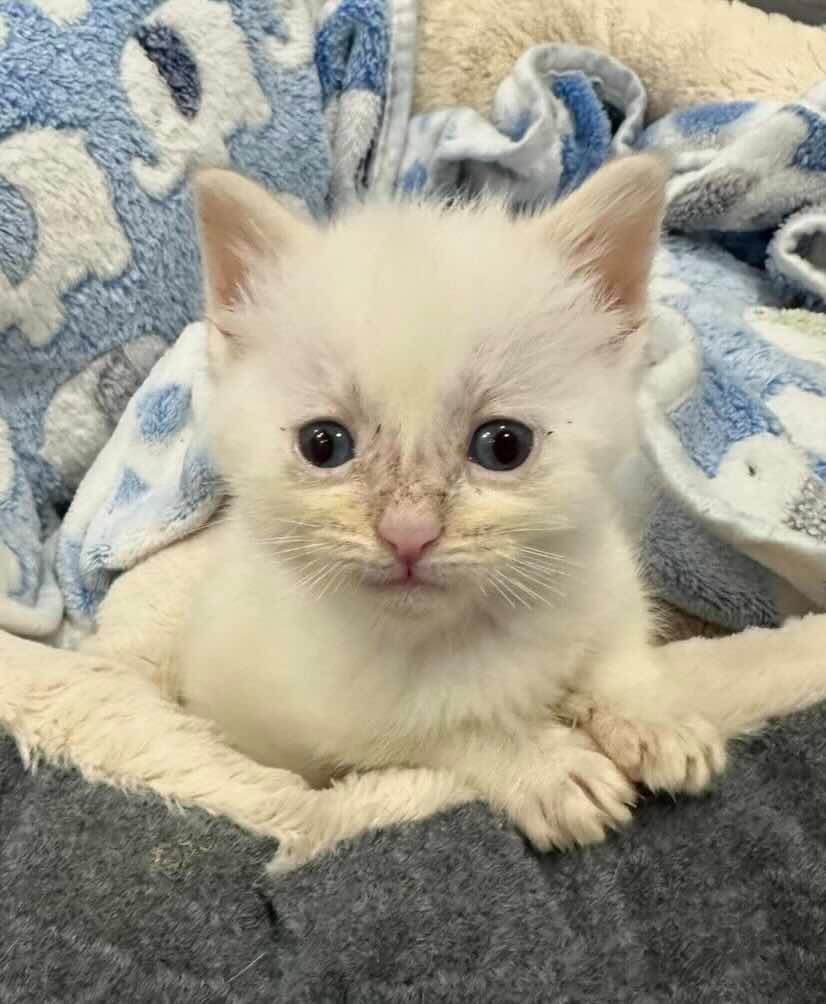
Daisy had begun showing symptoms the day before with vomiting and diarrhea, though her temperature and vitals remained normal, offering a glimmer of hope.
Soon, Sunflower joined her sister in illness, while Buzz Buzz and Bumble remained symptom-free.
Lori prepared for battle, stocking up on anti-nausea medications, probiotics, and fluids, transforming her home into a makeshift feline intensive care unit.
During Marigold's veterinary examination, more concerning discoveries emerged. The five-year-old cat weighed only 5.2 pounds—far too small for her age—and was missing almost all her incisors, with significant plaque buildup on her remaining teeth.
While her snap test came back negative, she tested positive for coccidia. Assuming all the kittens would eventually show signs of the parasite, everyone began treatment with Albon medication.
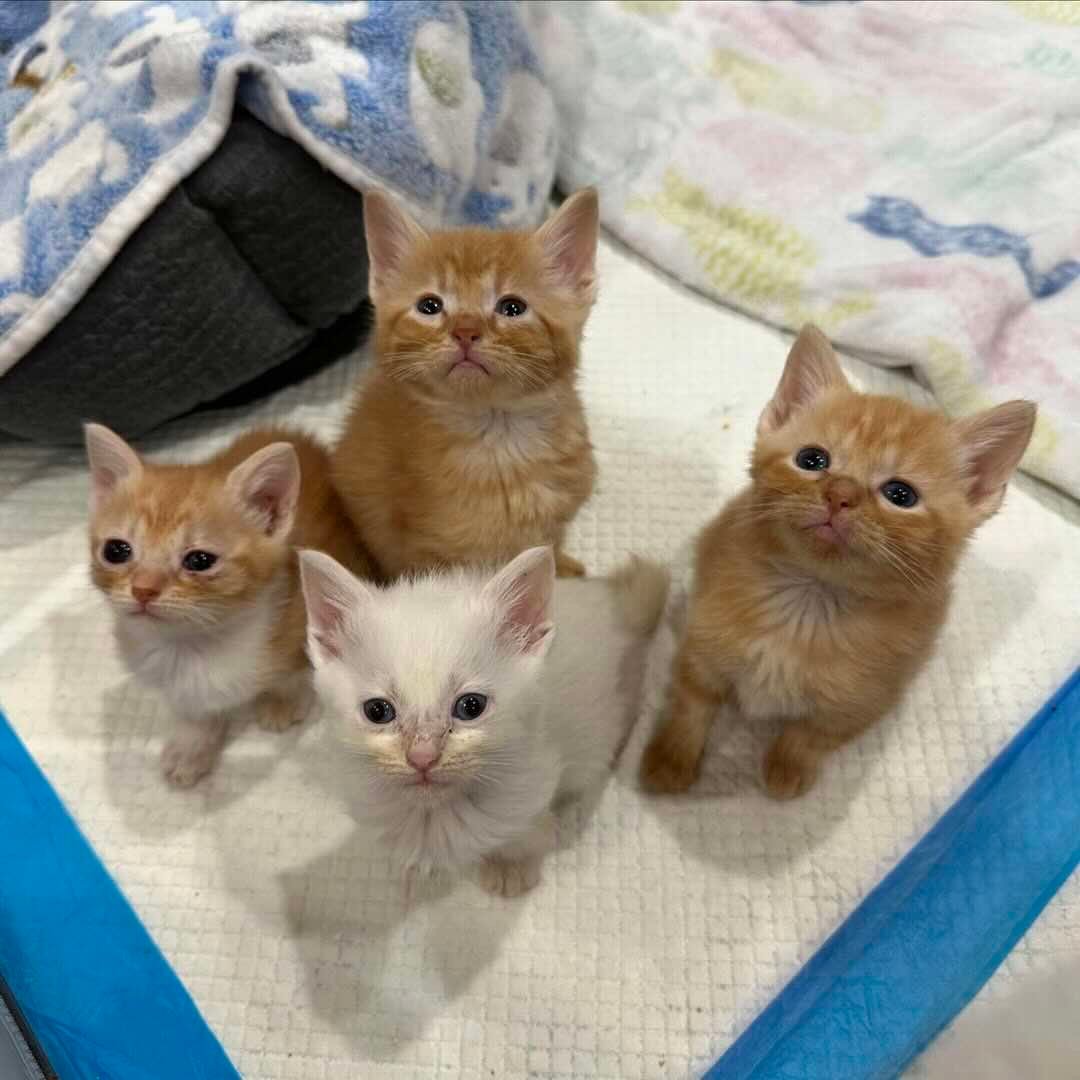
Life became what Lori affectionately called "the hot mess express." Days blurred into an endless cycle of cleaning, bathing, administering fluids, and weight checks.
Yet despite the exhaustion and constant worry, Lori felt immense gratitude for Marigold's presence—without her mother's milk and care, the kittens' condition would have been far worse.
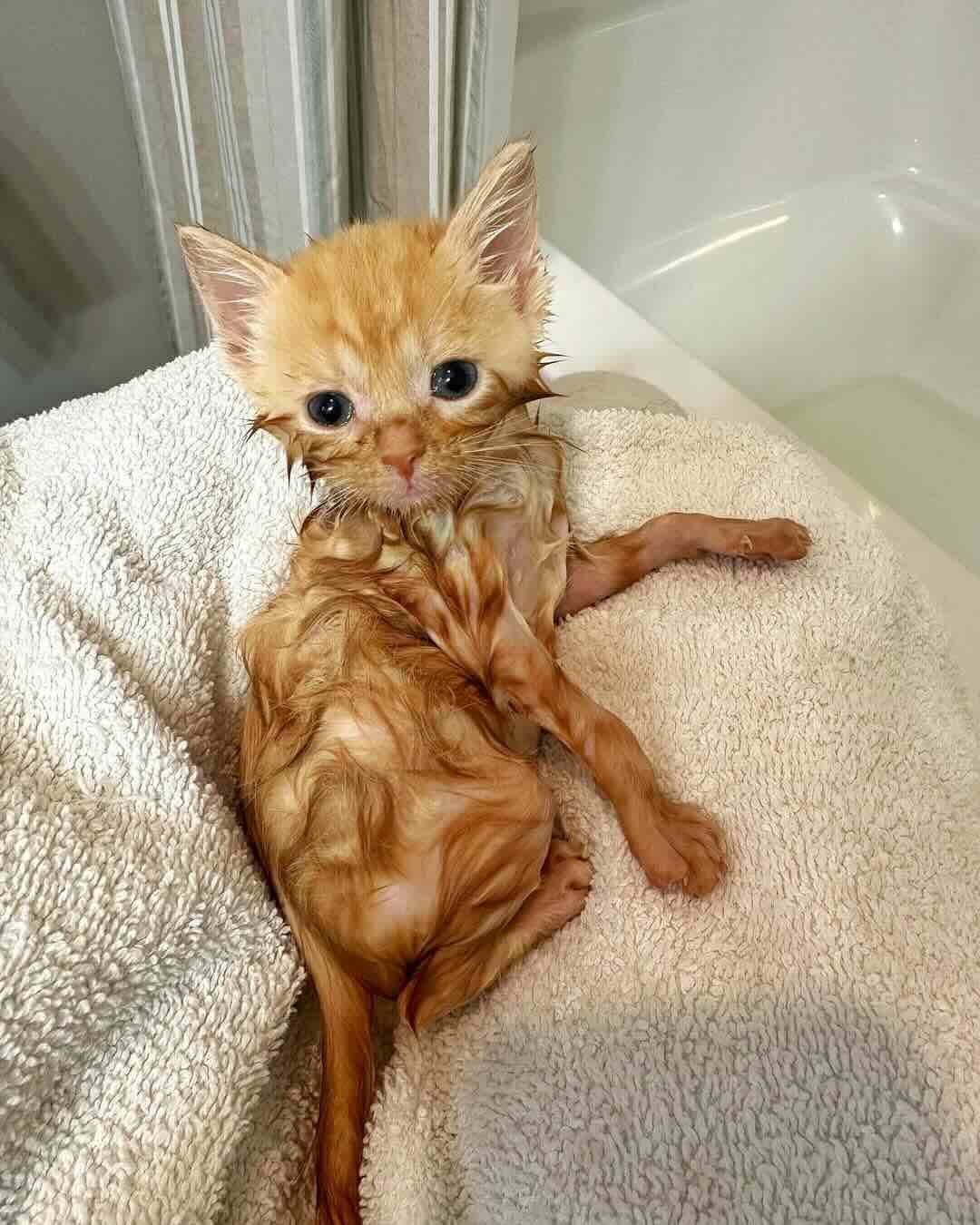
Amidst the medical chaos, moments of pure joy emerged like sunbeams through storm clouds. When the kittens received their first toy—a simple scratcher—their delight was infectious.
After days of mostly resting, seeing them play again reminded everyone why the fight was worth it.
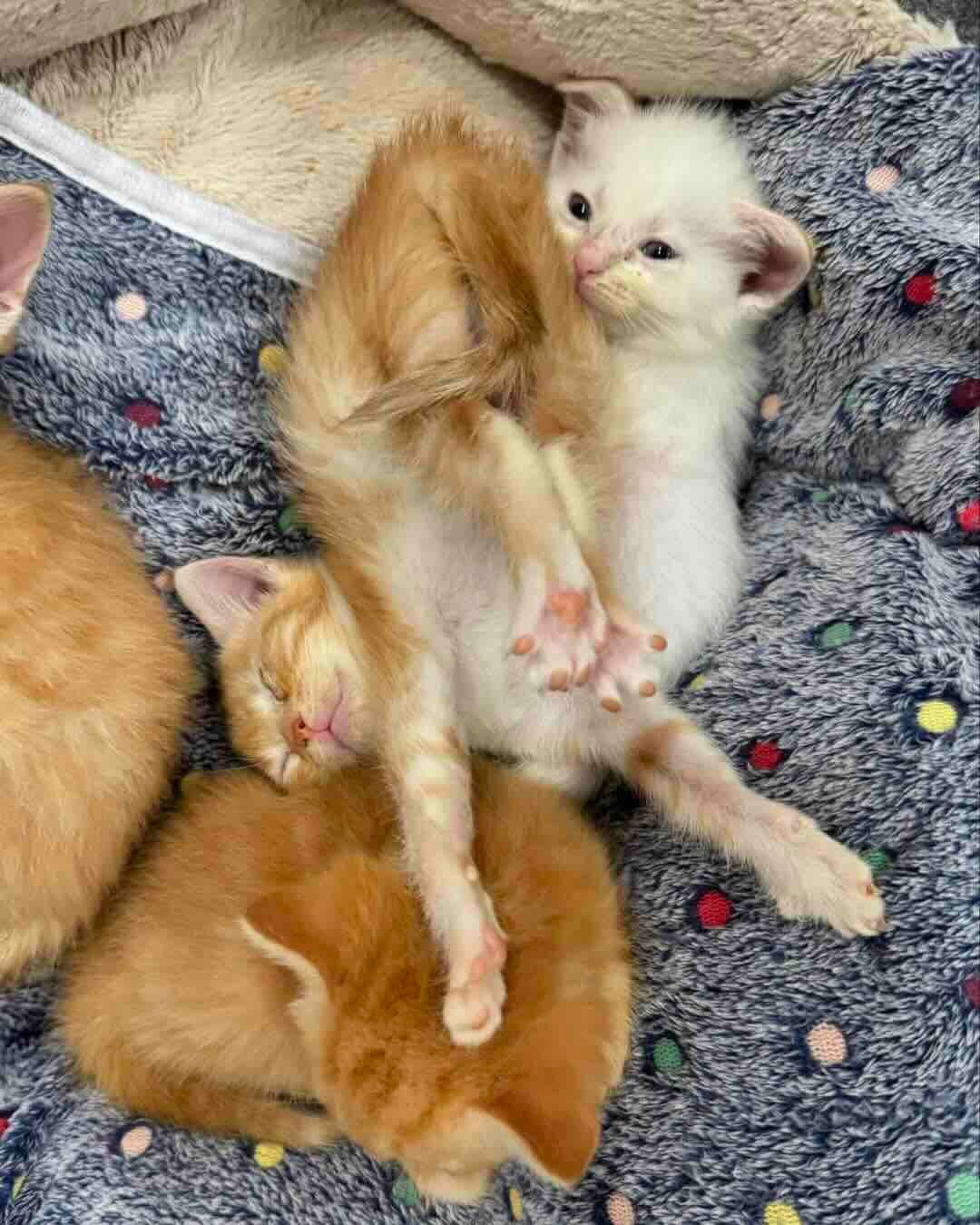
The demanding routine continued: medications, fluids, hydrating food, baths, and endless cleaning. Though Lori knew the strict cleaning protocols were crucial for managing panleuk, she couldn't resist playing and interacting with these resilient little souls.
Gradually, encouraging signs appeared. Daisy became the biggest weight gainer, particularly heartening since she had been Lori's greatest concern.
The kittens began enjoying pre-bedtime zoomies, racing around their space before settling down for the night.
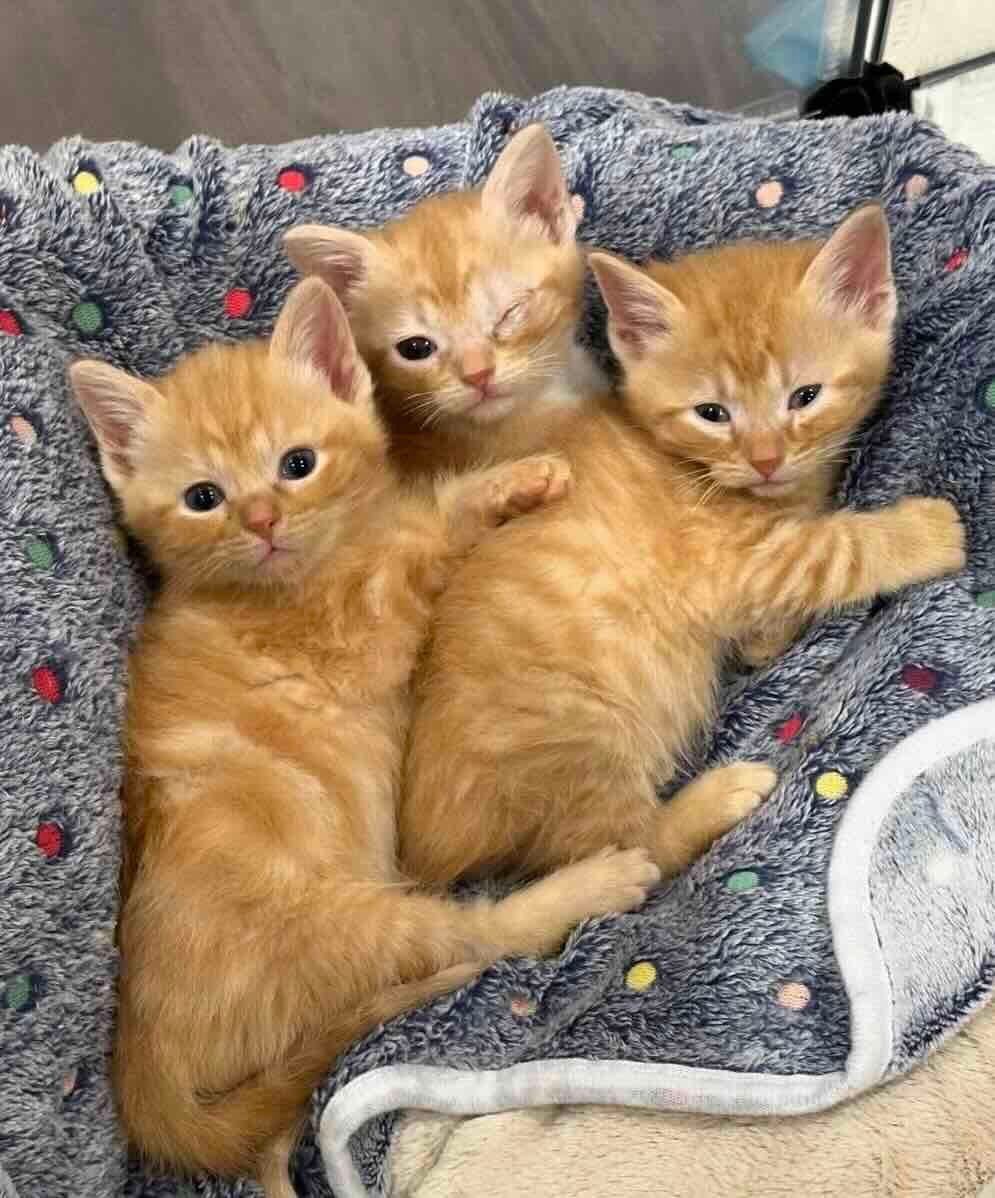
Four weeks and one day after the initial devastating test, the news everyone had been praying for finally arrived: Daisy's panleuk test came back negative.
After a long, challenging, and admittedly messy month, they had survived a disease that claims many young lives.
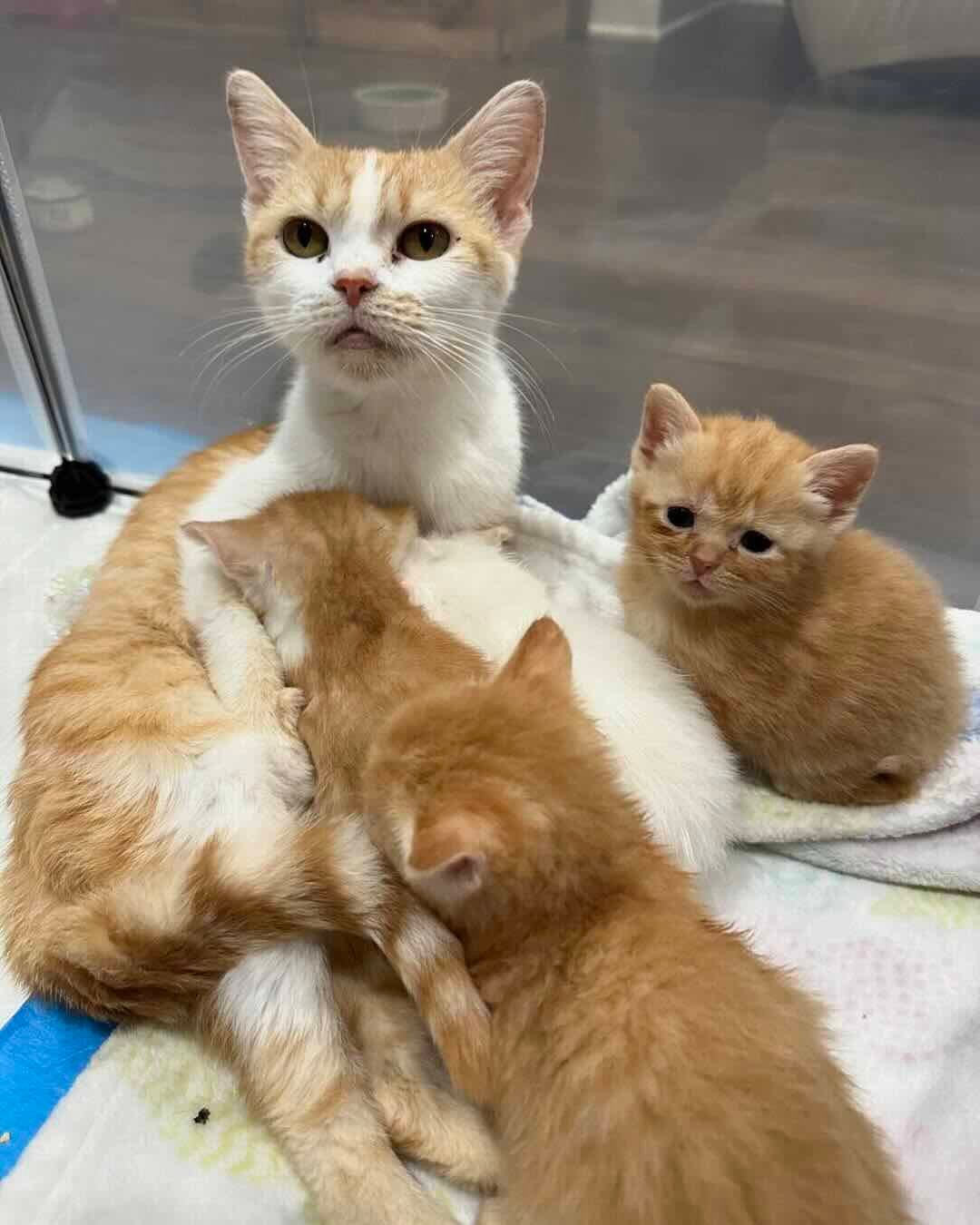
As the family continued to thrive, every new experience brought tremendous joy. They spent hours climbing their cat tree and playing hide-and-seek, showcasing just how far they had traveled from those critical early days.
Marigold underwent spaying and had four teeth removed during her procedure, and soon the search began for each family member's perfect human match.
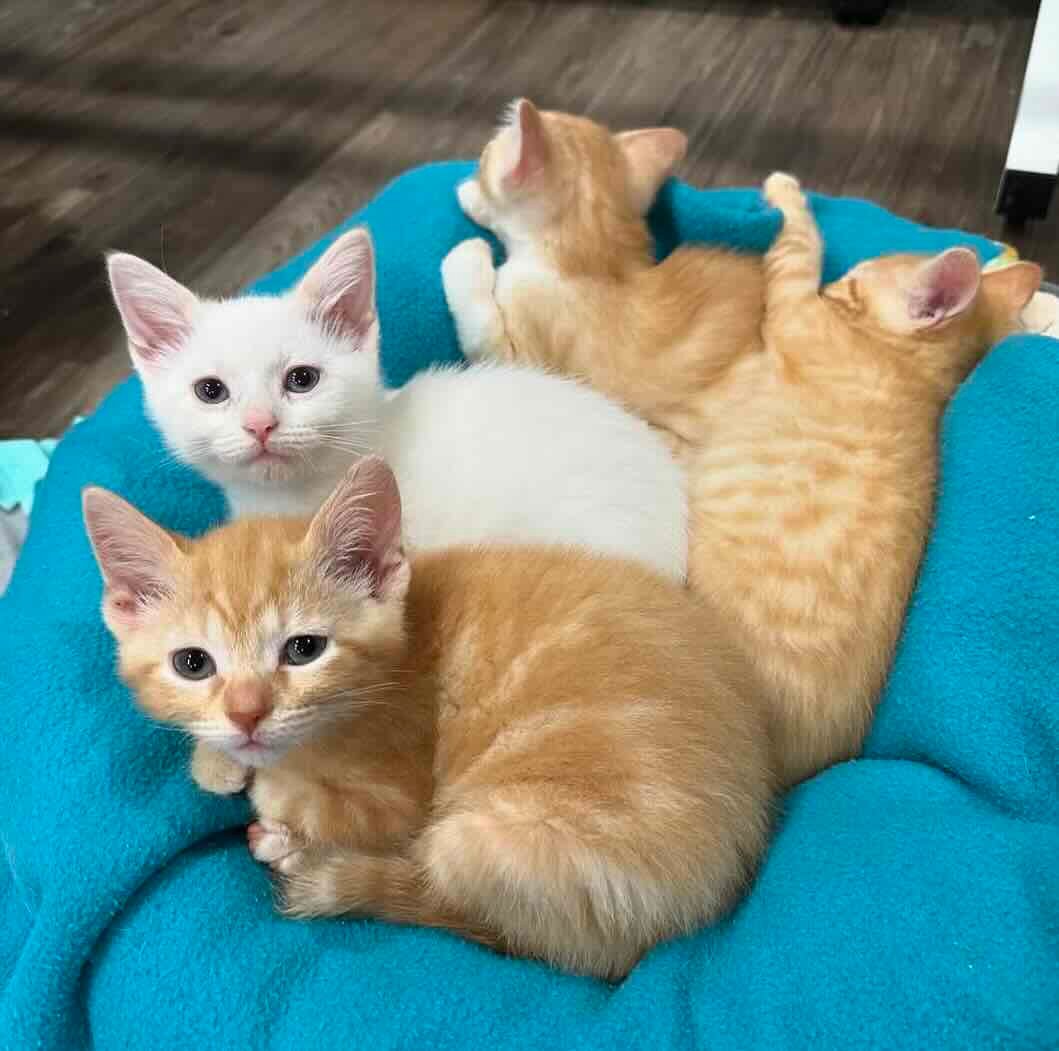
Daisy was the first to find her forever home, where a feline brother awaited her. Saying goodbye to the ones she had fought so hard to save tugged especially hard at Lori's heart.
Buzz Buzz followed next, also joining a family with an older feline sibling.
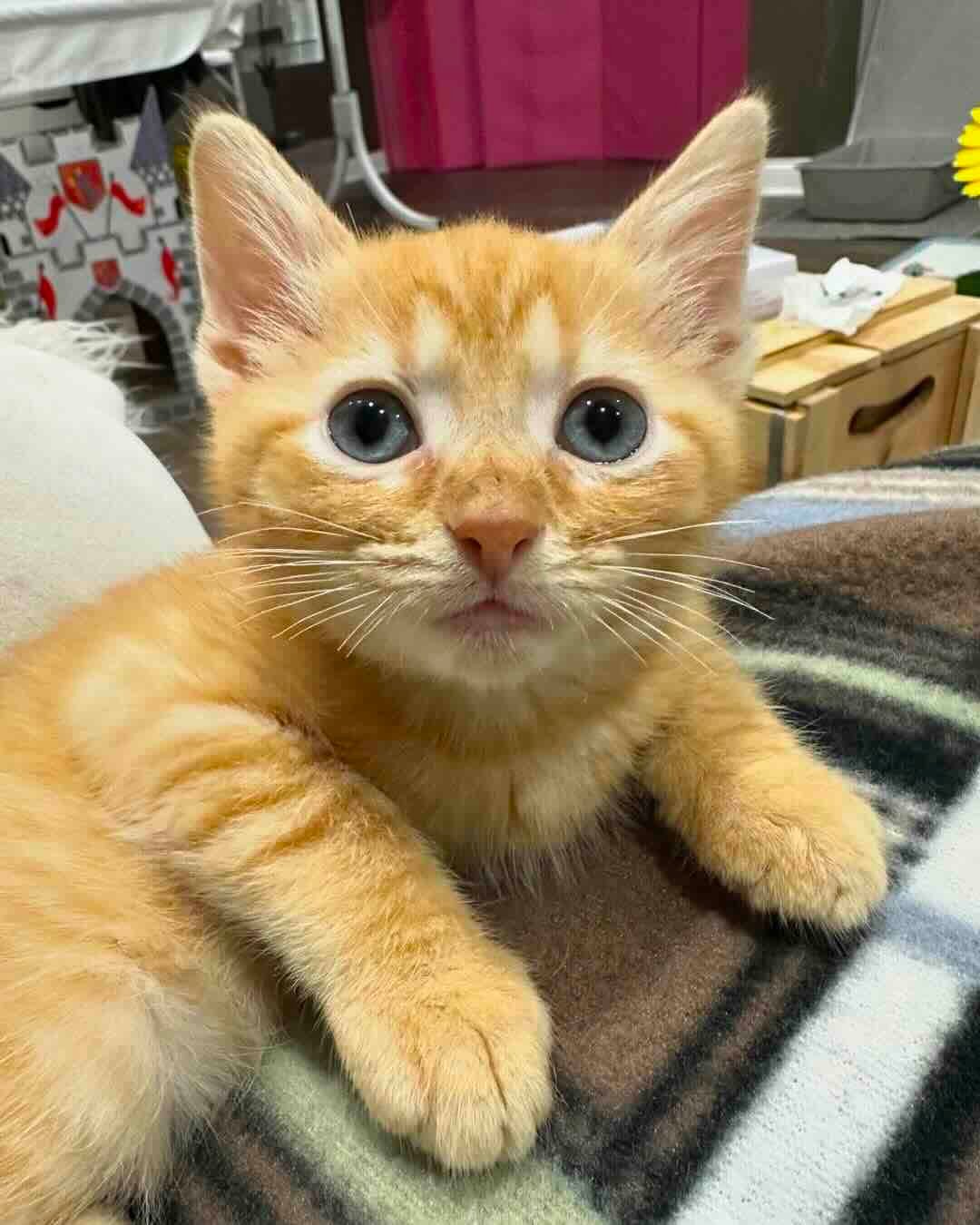
Just when smooth sailing seemed assured, another unexpected challenge arose. Lori noticed a small bump with a scratch forming above Marigold's eye and under her ear.
Initially dismissed as play-related irritation, concern grew when it failed to heal. Marigold required surgery to remove the growth and lost two more teeth in the process, postponing her planned visit to the cat cafe.
The lab results brought mixed news: as suspected, it was a mast cell tumor, but thankfully low-grade with minimal risk of spreading or affecting her lifespan.
There remained a small chance of recurrence due to not achieving completely clear margins, but if that happened, simple removal would suffice.
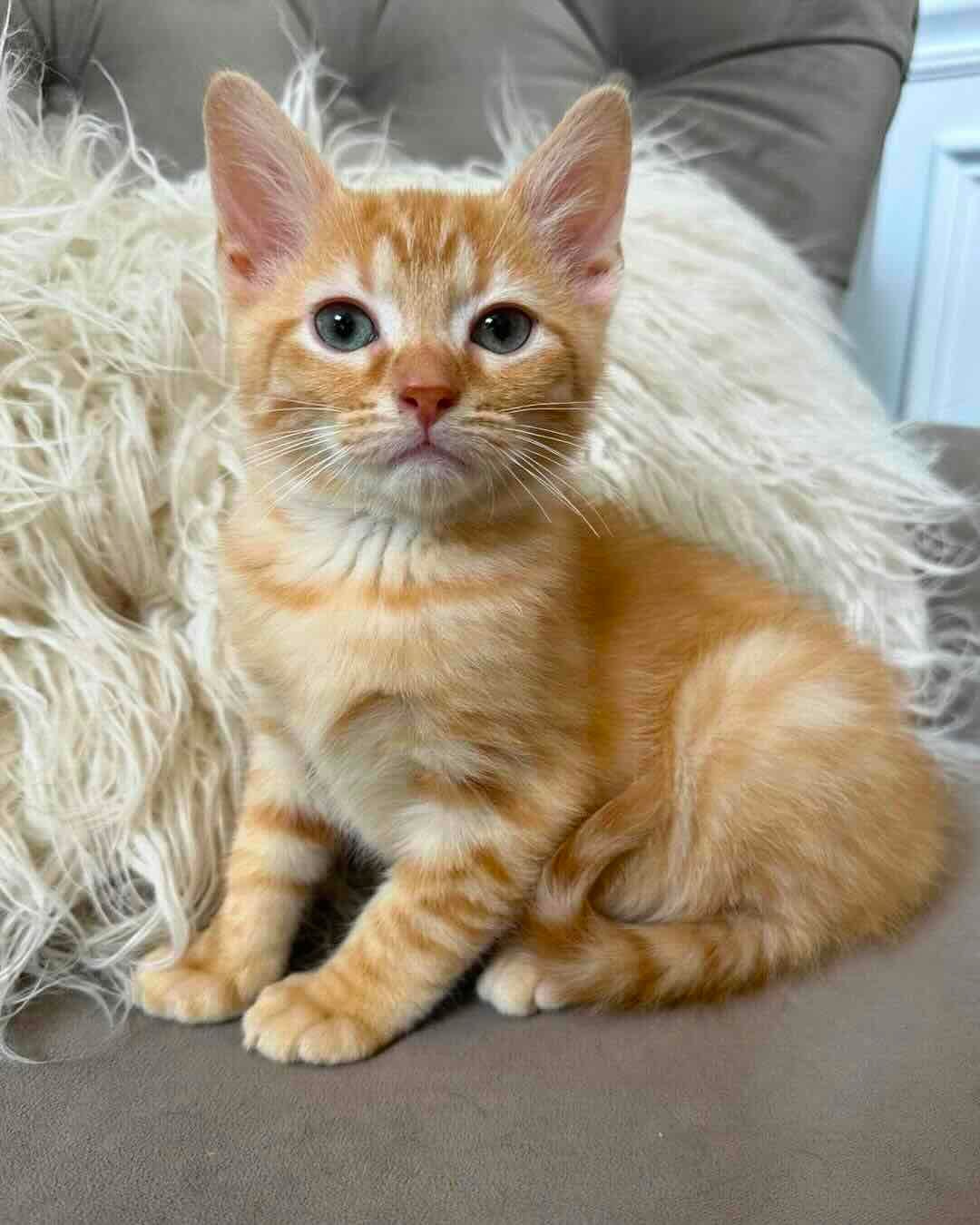
Meanwhile, Bumble Bee found his forever family, complete with a feline sister near his age and two canine siblings. With three kittens now in permanent homes, only Marigold and Sunflower remained, and Lori hoped they might stay together.
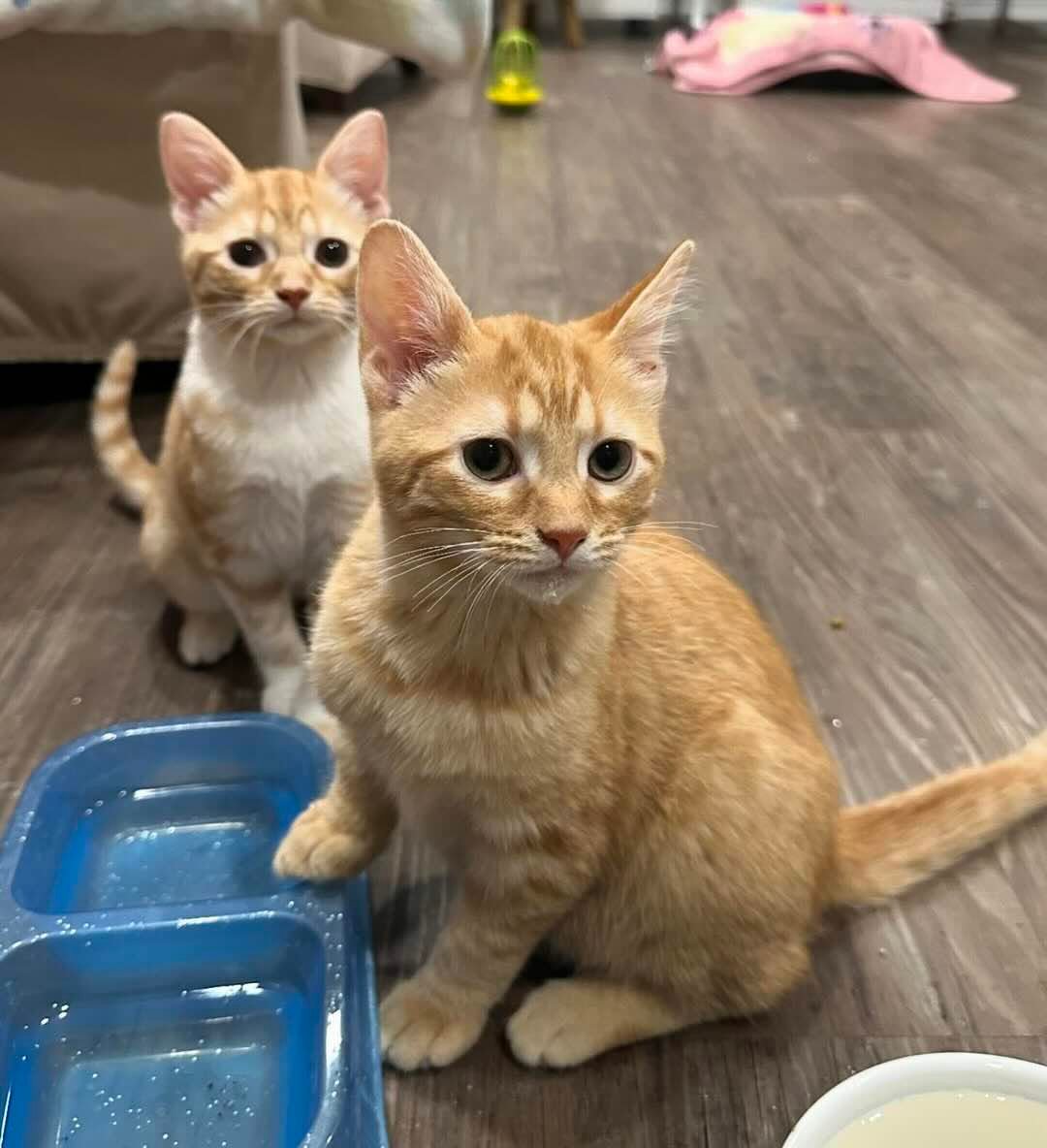
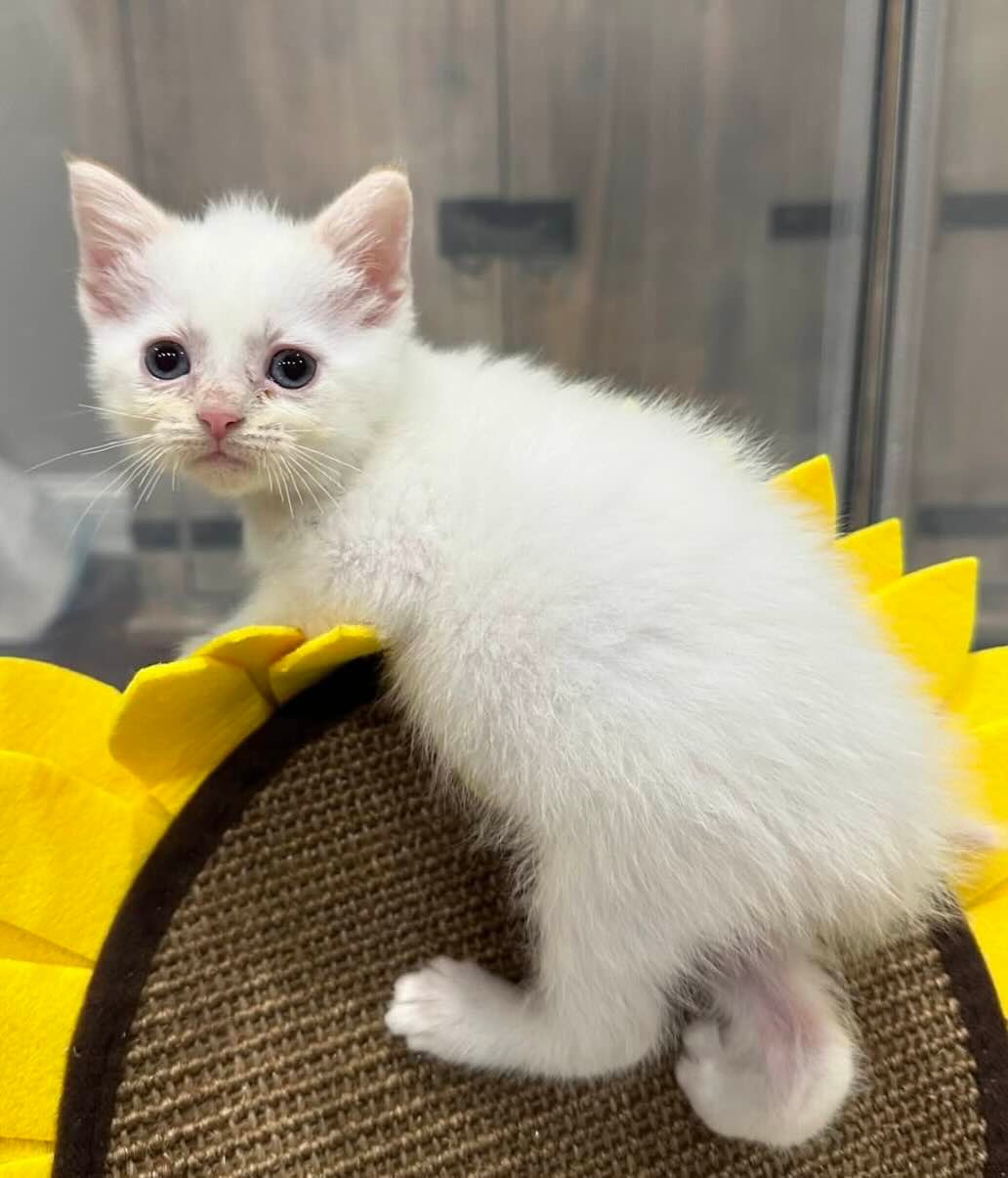
At the cat cafe, lingering concerns about Sunflower finally crystallized. Lori had initially worried about the kitten's unusually dark, large eyes and whether she could see properly.
While the vet hadn't been concerned and Sunflower had navigated the foster room well, her visual impairment became apparent in the new environment.
A veterinary assessment revealed that while Sunflower had an intact optic nerve based on light response, she lacked a menace response, suggesting abnormal vision.
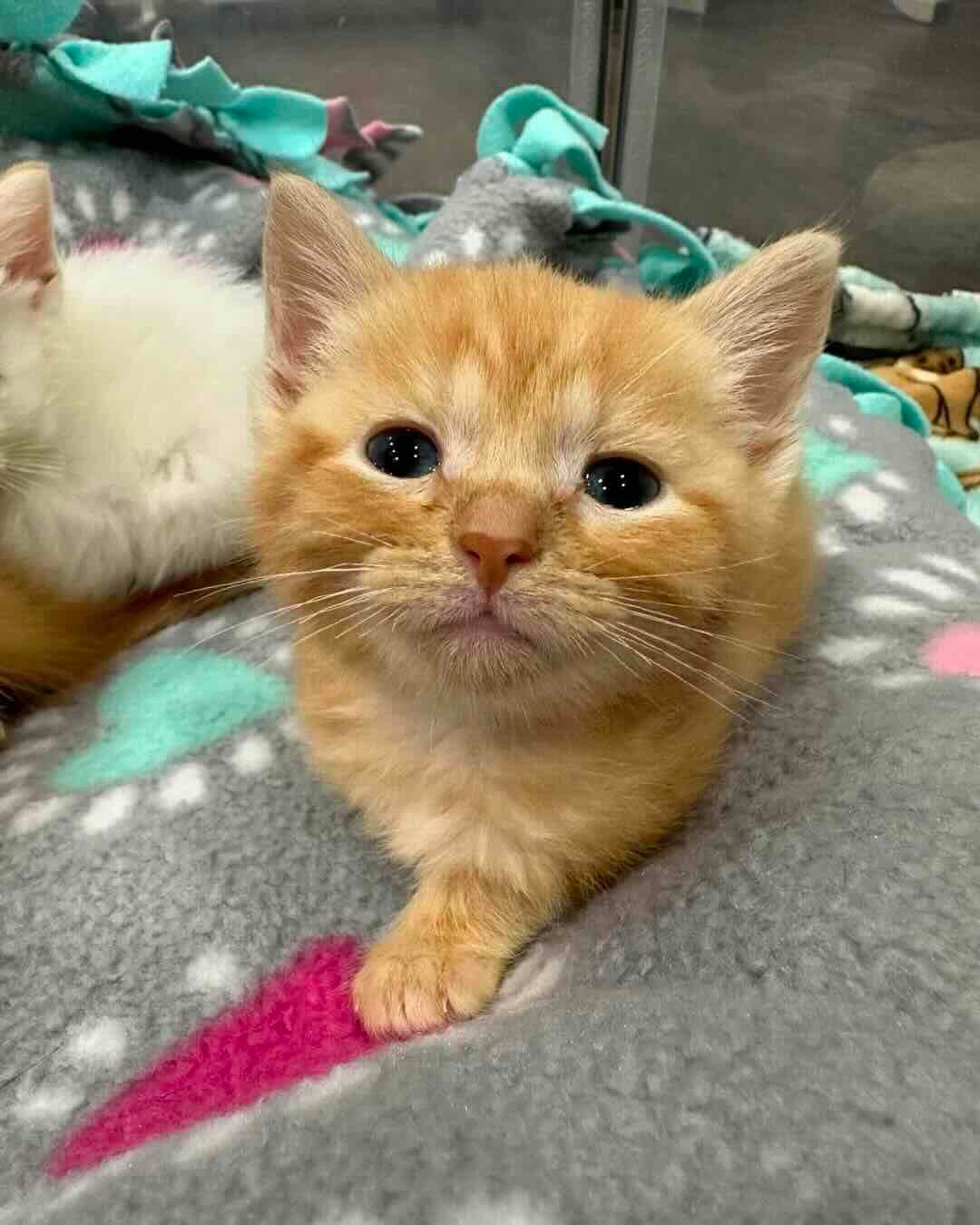
The decision was made to leave her condition as it was, since she was eating, playing, and using the litter box normally.
Her only requirement was companionship—she couldn't bear being alone and would cry when separated from her mother.
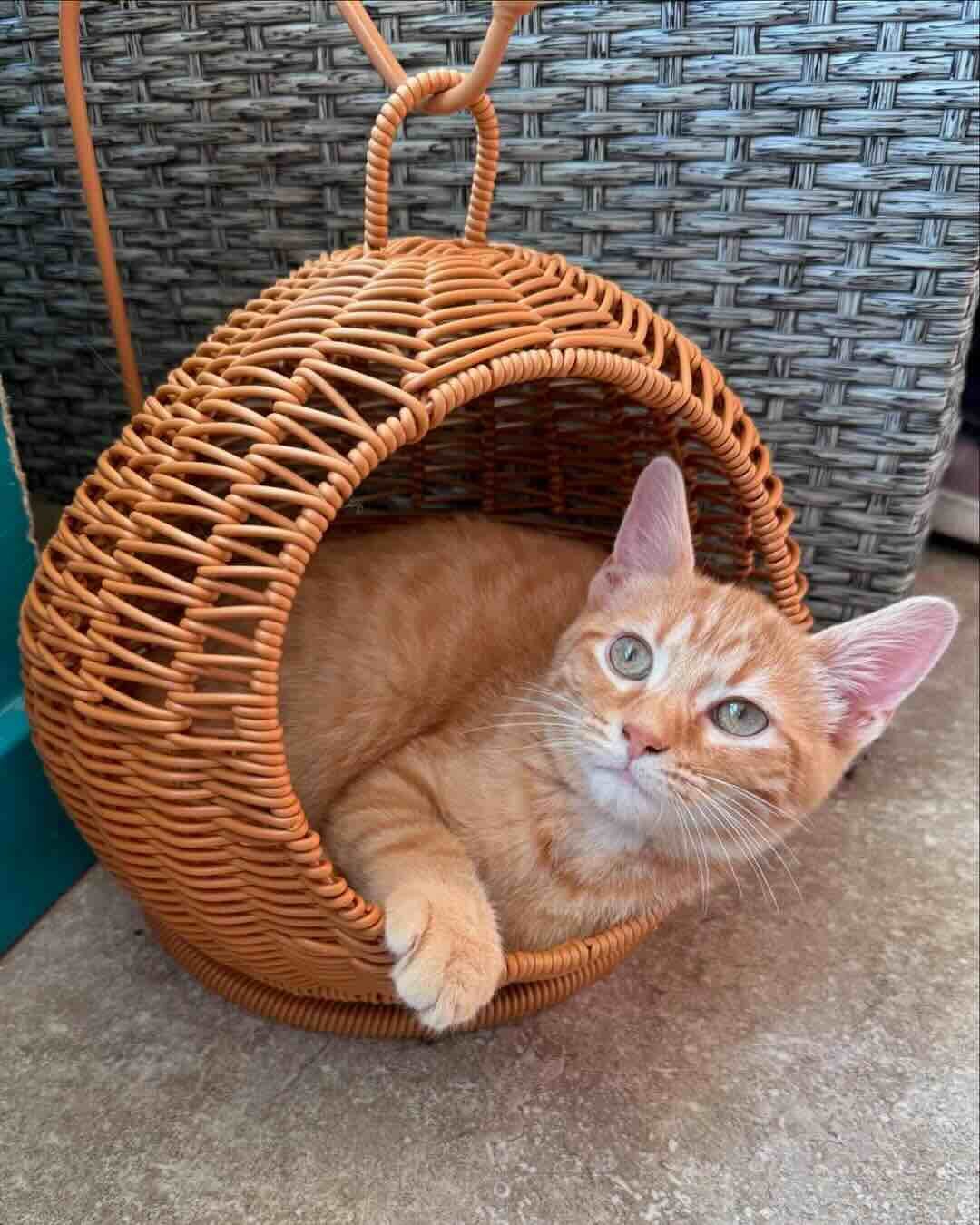
After nearly five months in foster care, the perfect ending finally arrived: Sunflower and Marigold were adopted together.
They had survived panleukopenia, surgeries, uncertainty, and countless challenges, but they had found their forever home at last.
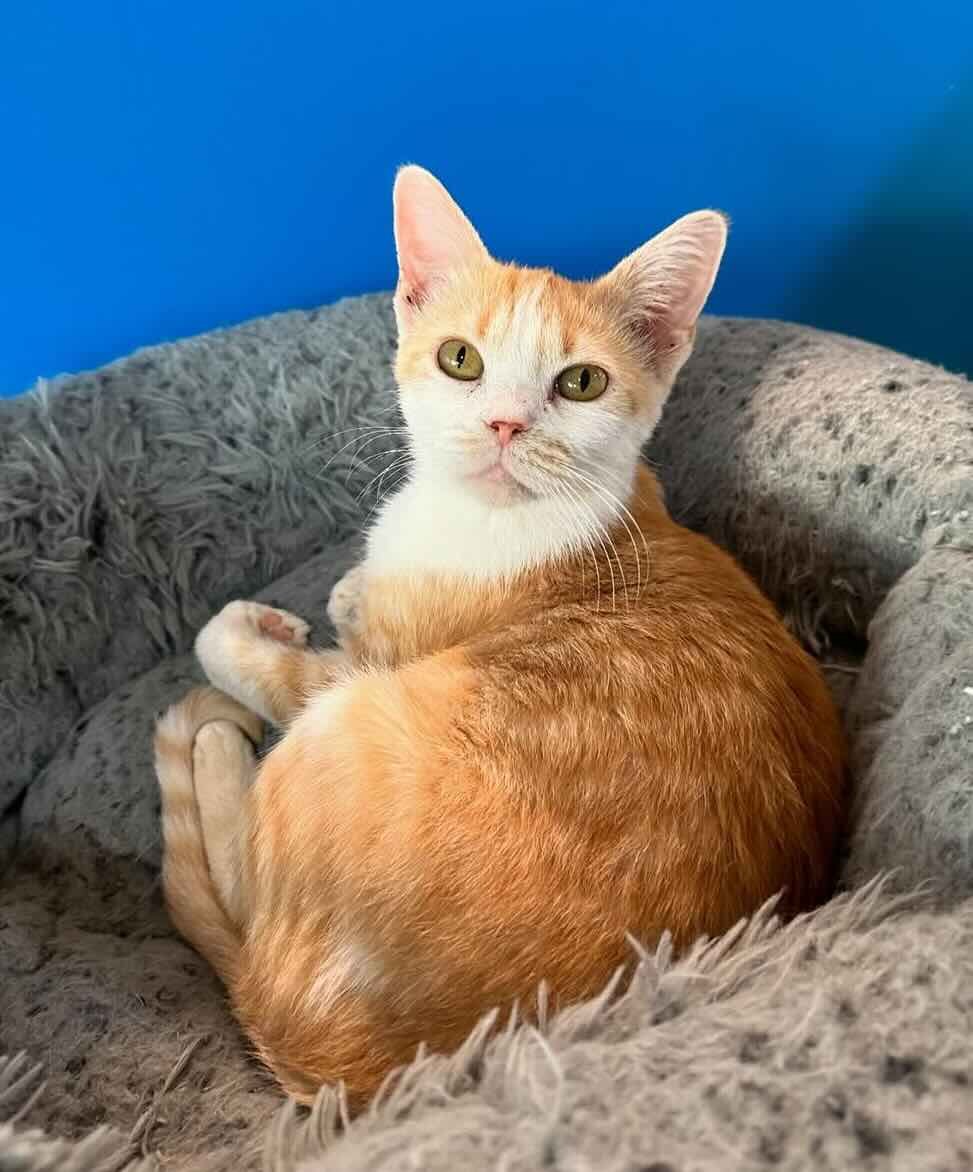
Marigold and her kittens had beaten impossible odds, proving that with care, patience, and love, even the most challenging cases can bloom into beautiful happy endings.
Their story stands as a testament to the incredible bond between mother and babies, and to the foster families who open their hearts and homes to animals in desperate need of second chances.
Check out this delightful family in the video below:
A big thank you to Lori for sharing Marigold's story with us.
You can find out more about the great work Lori does, and see her other fosters on Instagram
Related story: Young Street Cat Transformed Into Perfect Mama After Foster Family Gave Her Safe Haven!
More from We Love Cats and Kittens:
- She Rescued A Flea-Covered Kitten From A Bush And Gets Lifelong Shoulder Companion
- Man Didn’t Want a Cat — Until This Little Skateboarding Kitten Rolled Right Into His Heart
- Stray Orange Tabby Leads Rescuer to 30 Cats in Need, Then Transforms Into the Sweetest Companion
- Meet Masi! The Forever Kitten That Traveled AcrossCountries to Find Her Purr-fect Humans
If you liked this, then please share our story:
And while you're at it, leave a comment and tell us what you thought!
You May Also Like...